




What's Happening?
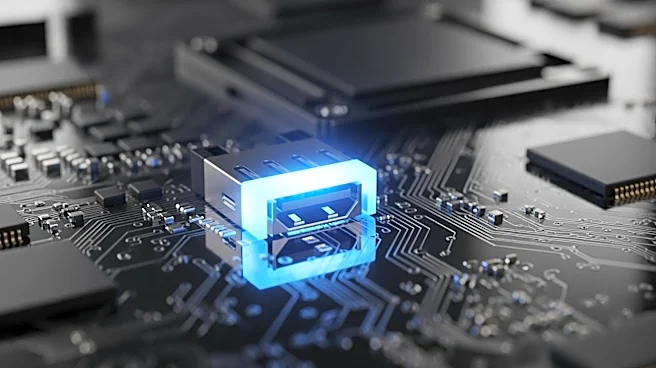
The Thunderbolt port on PCs is being highlighted for its ability to significantly enhance data transfer speeds and overall functionality. The latest Thunderbolt 5 protocol supports transfer speeds of up to 80 gigabits per second, which is four times faster
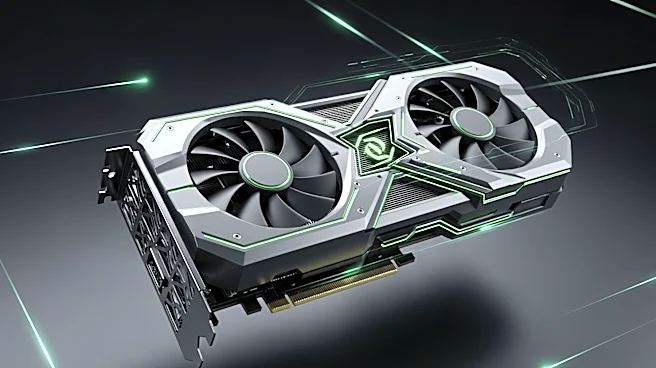
than the standard USB-C version 3.2. This capability is particularly beneficial for video editors who handle large files, as it allows them to store projects on external Thunderbolt-capable drives, freeing up space on their PCs. Additionally, Thunderbolt ports enable the use of external GPUs, which can enhance gaming and graphics performance on laptops that typically have less powerful internal GPUs. This feature is especially useful for thin-and-light laptops, although the cost of external GPU units can be a drawback for some consumers.
Why It's Important?
The advancements in Thunderbolt technology have significant implications for various industries and consumer segments. For video editors and other professionals dealing with large data files, the ability to transfer data at high speeds can streamline workflows and improve productivity. The use of external GPUs facilitated by Thunderbolt ports can also democratize access to high-performance computing, allowing users of less powerful laptops to engage in graphics-intensive tasks such as gaming and video editing. This could lead to increased demand for Thunderbolt-compatible devices and accessories, potentially driving innovation and competition in the tech industry. However, the high cost of some Thunderbolt-enabled peripherals may limit accessibility for budget-conscious consumers.
What's Next?
As Thunderbolt technology continues to evolve, it is likely that more devices will incorporate this feature, expanding its accessibility and applications. Manufacturers may focus on reducing the cost of Thunderbolt-enabled peripherals to make them more accessible to a broader audience. Additionally, as more consumers and professionals recognize the benefits of high-speed data transfers and enhanced computing capabilities, there may be increased pressure on tech companies to innovate and offer competitive products. The ongoing development of Thunderbolt technology could also influence the design and functionality of future laptops and PCs, potentially leading to new standards in data transfer and peripheral connectivity.