
What's Happening?
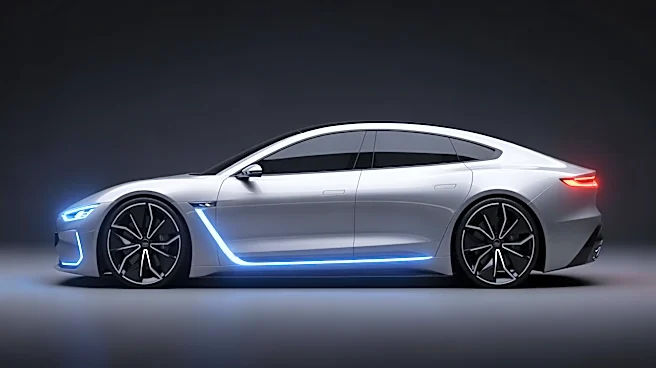
Mercedes-Benz has launched its first all-electric C-Class model, boasting a range of up to 473 miles on a single charge. This new model follows the GLC Electric and represents Mercedes-Benz's latest design
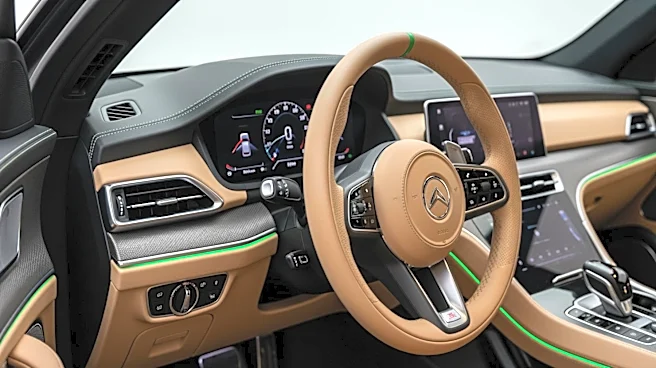
language, featuring a coupe-like silhouette and expressive GT rear. The vehicle is equipped with a 94kWh battery, which is smaller than some competitors but still offers substantial range. The interior is dominated by the optional MBUX Hyperscreen, a massive 39.1-inch display that spans the width of the cabin. The car includes advanced AI features, integrating services like ChatGPT-4o, Microsoft Bing, and Google Gemini to enhance user experience. Additionally, the vehicle offers 3D augmented reality navigation and various driver assistance technologies, contributing to its reputation as the sportiest C-Class ever built.
Why It's Important?
The launch of the all-electric C-Class marks a significant milestone for Mercedes-Benz as it continues to transition towards electrification. This model's impressive range and technological advancements highlight the company's commitment to innovation and sustainability. By offering a competitive electric vehicle option, Mercedes-Benz aims to capture a larger share of the growing electric vehicle market, which is driven by increasing consumer demand for environmentally friendly transportation. The integration of AI and advanced driver assistance systems positions Mercedes-Benz as a leader in automotive technology, potentially influencing industry standards and consumer expectations.
What's Next?
Mercedes-Benz is expected to further develop its electric vehicle lineup, focusing on enhancing battery technology and expanding autonomous driving capabilities. The company may also explore strategic partnerships to accelerate innovation and address challenges in the electric vehicle market. As competition intensifies, Mercedes-Benz will likely prioritize differentiating its offerings through unique design and technological features. Additionally, the company may invest in infrastructure to support electric vehicle adoption, such as charging stations and renewable energy solutions.