


What's Happening?
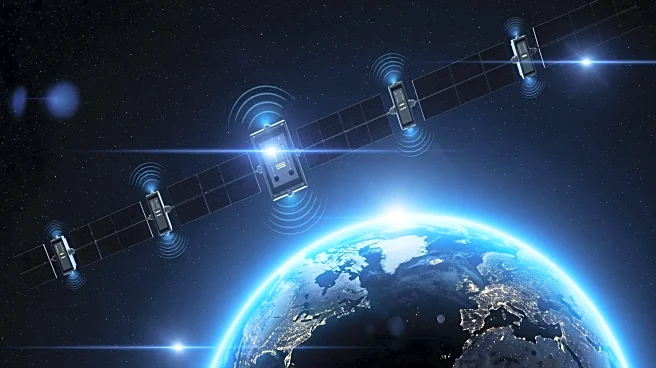
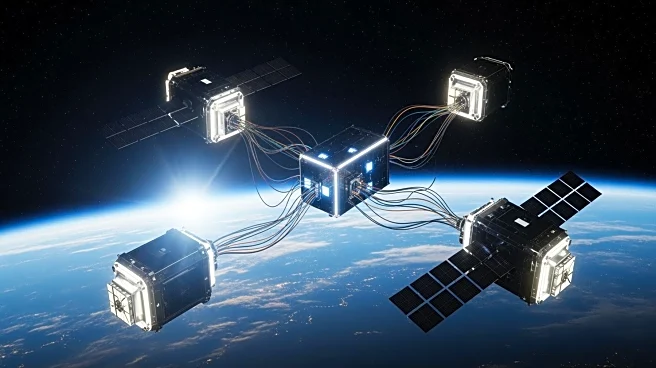
Elon Musk is moving forward with plans to establish orbital data centers, following a formal merger between SpaceX and xAI. The Federal Communications Commission (FCC) has accepted a filing for a million-satellite data center network, marking a significant step in Musk's vision. The proposal suggests that solar panels in space could provide more power than those on Earth, potentially reducing operating costs for data centers. Musk has publicly discussed the benefits of space-based AI computing, predicting a shift towards orbital data centers by 2028.
Why It's Important?
The development of orbital data centers could revolutionize the tech industry by providing a new frontier for data storage and processing. This move could significantly impact the economics of data centers,
potentially reducing costs and increasing efficiency. For SpaceX, this represents a strategic expansion into AI and data services, aligning with Musk's broader vision of space commercialization. The initiative could also influence global data infrastructure, with implications for tech companies and industries reliant on data processing.
What's Next?
The FCC will seek public comment on the proposal, and further regulatory approvals will be necessary. As SpaceX and xAI prepare for an IPO, the focus on orbital data centers is likely to intensify. The tech industry will be watching closely to see how this development unfolds, with potential partnerships and investments on the horizon. Musk's timeline suggests significant advancements in the next few years, which could reshape the landscape of data technology.