

What's Happening?
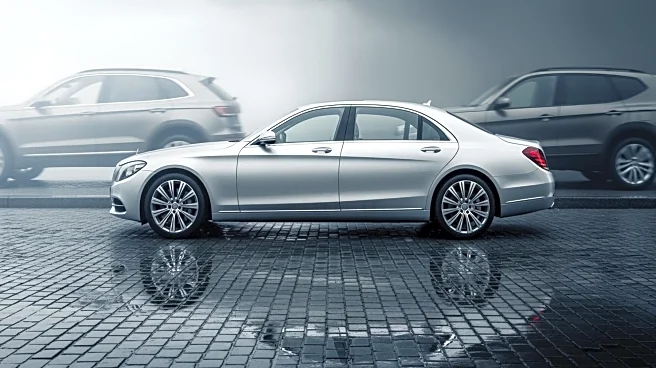
Luxury sedan sales in Europe have experienced a significant decline, with a 19 percent drop in the first ten months of the year. According to Automotive News Europe, the BMW 3 Series saw a 23 percent decrease in sales, while the Mercedes-Benz C-Class fell by 14 percent. The Audi A5, despite being new, did not offset the overall downward trend. The decline is attributed to a 30 percent reduction in fleet sales, as consumers increasingly prefer mid-size SUVs over sedans. These SUVs offer more functionality and a wider range of powertrain options, including plug-in hybrids. Gasoline engines remain the most popular choice among luxury sedan buyers, accounting for 33 percent of sales, followed by diesel and electric vehicles.
Why It's Important?
The shift away from luxury
sedans towards SUVs reflects broader consumer preferences for more versatile and environmentally friendly vehicles. This trend could have significant implications for the automotive industry, particularly for manufacturers heavily invested in sedan production. The decline in sedan sales may prompt automakers to re-evaluate their product lines and invest more in developing SUV models. Additionally, the preference for SUVs with diverse powertrain options highlights the growing consumer demand for sustainable transportation solutions, potentially accelerating the transition to electric and hybrid vehicles.
What's Next?
Automakers may respond to the declining sedan sales by increasing their focus on SUV production and innovation. This could involve expanding their lineup of electric and hybrid SUVs to meet consumer demand for environmentally friendly vehicles. Additionally, manufacturers might explore new marketing strategies to revive interest in sedans or reposition them as niche products. The ongoing shift in consumer preferences could also influence regulatory policies and infrastructure development, as governments and industries adapt to the changing automotive landscape.