


What's Happening?
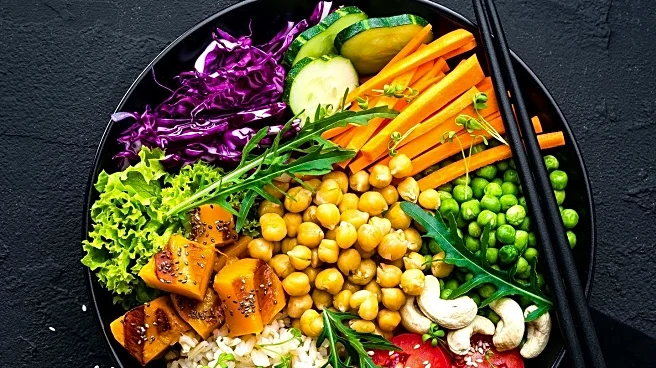
A recent study published in the British Journal of Cancer has examined the relationship between plant-based diets and cancer risk, analyzing data from over 1.8 million individuals over a median period of 16 years. The study found that vegetarians have
a significantly lower risk of developing certain cancers, such as pancreatic, prostate, and breast cancer, compared to meat-eaters. However, it also revealed that vegetarians have a higher risk of esophageal cancer, and vegans face a nearly 40% higher risk of colorectal cancer. The research highlights the complexity of dietary impacts on cancer risk, suggesting that while plant-based diets are rich in fiber, vitamins, and minerals, they may lack certain nutrients like B vitamins and calcium, which could be protective against some cancers.
Why It's Important?
The findings of this study are significant as they challenge the common perception that plant-based diets are universally beneficial for cancer prevention. While these diets are associated with lower risks of several cancers, the increased risk of others underscores the need for a balanced approach to nutrition. This research could influence dietary guidelines and public health recommendations, emphasizing the importance of a well-rounded diet that includes adequate nutrients. It also highlights the need for further research into the specific nutritional deficiencies that may contribute to increased cancer risks among vegetarians and vegans. The study's insights could impact dietary choices and health strategies for individuals seeking to minimize their cancer risk.
What's Next?
As the study is observational, further research is needed to establish causal relationships between diet and cancer risk. Health organizations may consider revising dietary guidelines to address potential nutrient deficiencies in plant-based diets. Public health campaigns could focus on educating individuals about the importance of a balanced diet that includes all essential nutrients, regardless of dietary preferences. Additionally, the food industry might respond by developing fortified plant-based products to help consumers meet their nutritional needs. Ongoing studies will likely continue to explore the complex interactions between diet, lifestyle, and cancer risk.