
What's Happening?
Exxon Mobil's Senior Vice President Neil Chapman has issued a warning about rapidly depleting oil inventories, which could reach critically low levels in the coming weeks if the ongoing conflict in the Middle
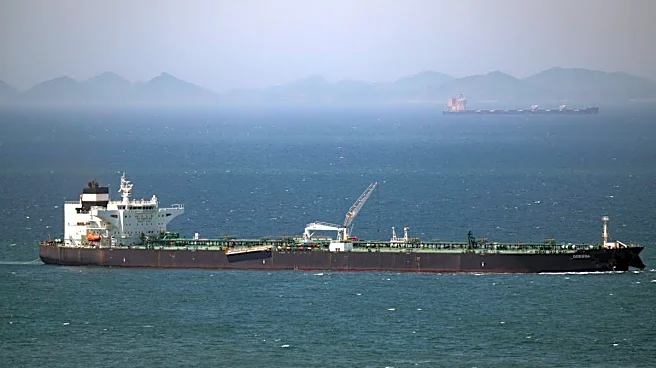
East is not resolved. The International Energy Agency has reported that over a billion barrels of oil have been withheld from the market due to the closure of the Strait of Hormuz, marking the largest oil supply disruption in history. Despite high gas prices, current inventories have shielded consumers from the full impact of the crisis. However, Chapman cautions that if inventories continue to dwindle, a significant price surge is inevitable. The situation has prompted discussions of a potential U.S.-Iran nuclear deal, which could alleviate the crisis by reopening shipping routes and stabilizing oil supplies.
Why It's Important?
The depletion of oil inventories poses a significant threat to global energy markets, with potential repercussions for the U.S. economy and consumers. A spike in oil prices could lead to increased costs for transportation and goods, affecting inflation and economic stability. The urgency of the situation has heightened diplomatic efforts to reach a deal with Iran, which could prevent further disruptions. However, the geopolitical leverage held by Iran in these negotiations could result in a deal that may not fully address U.S. interests. Additionally, the crisis underscores the vulnerability of relying on oil imports and may accelerate the transition towards renewable energy sources as a more stable and sustainable alternative.
What's Next?
If a U.S.-Iran deal is not reached soon, oil inventories could run dry, leading to a dramatic increase in gas prices and a potential surge in electric vehicle interest as consumers seek alternatives. The situation remains fluid, with diplomatic negotiations ongoing. The outcome of these talks will significantly impact global oil markets and could either stabilize or further destabilize the current energy landscape. Stakeholders, including governments and energy companies, are closely monitoring developments and preparing for various scenarios.