
What's Happening?
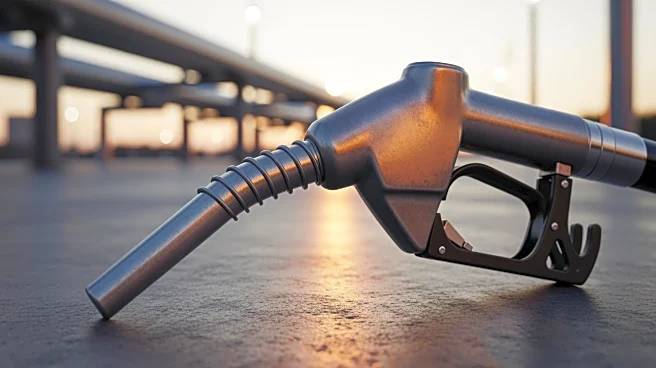
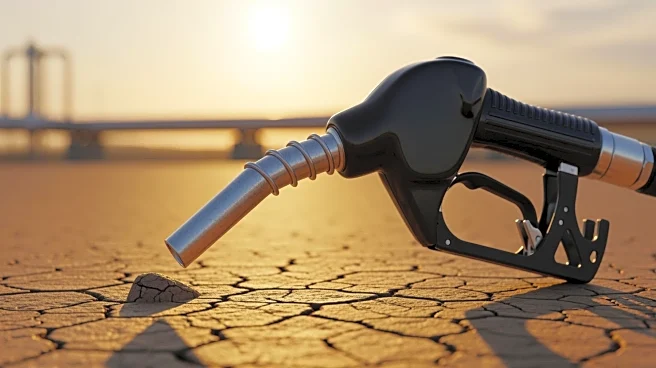
Despite President Trump's announcement of potential progress in negotiations with Iran, experts warn that gas prices in the U.S. are unlikely to decrease in the near future. The average price of gas is nearing $4 per gallon, with diesel prices exceeding
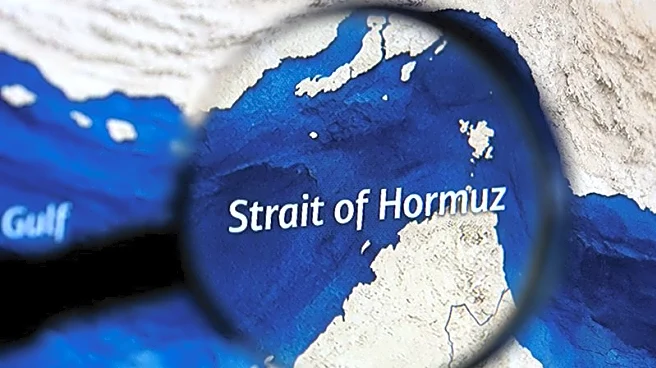
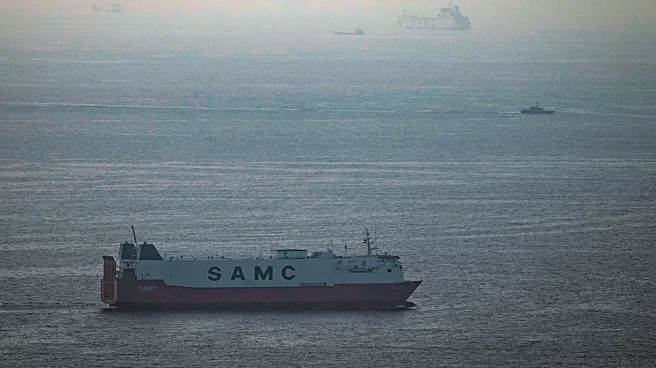
$5. For prices to fall, the Strait of Hormuz must reopen, and oil production must resume fully. However, these developments are not guaranteed and would take time to impact gas prices. The closure of the Strait by Iran has caused significant economic damage, giving Iran leverage in negotiations. The complexity of restarting oil production and refining processes means that any reduction in gas prices will be slow.
Why It's Important?
High gas prices have a direct impact on American consumers and the broader economy. They increase transportation costs, affecting the price of goods and services. The prolonged conflict and closure of the Strait of Hormuz have disrupted global oil supplies, contributing to economic uncertainty. The situation underscores the vulnerability of energy markets to geopolitical tensions and the importance of stable international relations. The potential reopening of the Strait and resumption of oil production could eventually lead to lower prices, but the timeline remains uncertain.
Beyond the Headlines
The situation highlights the interconnectedness of global energy markets and the impact of geopolitical events on everyday life. The closure of the Strait of Hormuz is reminiscent of past trade tensions, such as China's rare-earth export restrictions. These events demonstrate how countries can use economic leverage in negotiations. The slow response of gas prices to changes in oil prices, known as the 'rockets and feathers' phenomenon, frustrates consumers and policymakers alike. This dynamic reflects the complexities of the energy supply chain and the challenges of achieving energy independence.