







What's Happening?
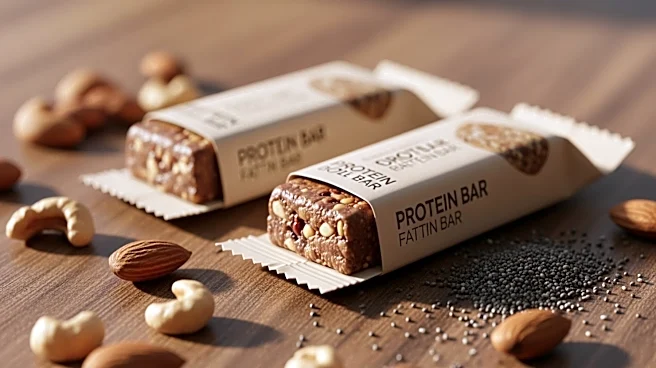
The U.S. food industry is experiencing a surge in innovation driven by the increasing demand for high-protein products. This trend, which began with fitness enthusiasts, has expanded to a broader consumer base, including those using weight-loss treatments
like GLP-1 medications. Companies are responding by developing a wide range of high-protein foods, from chilled meals to snacks and dairy products. The focus is shifting from simply adding protein to creating products that integrate protein as a core component, offering benefits like satiety and sustained energy. Brands are differentiating themselves by emphasizing the quality and functionality of their protein offerings, ensuring they meet consumer expectations for taste and texture.
Why It's Important?
The growing demand for high-protein foods reflects a significant shift in consumer preferences towards health-conscious eating. This trend is reshaping the U.S. food industry, prompting companies to innovate and expand their product lines to meet the needs of a more informed and health-focused consumer base. The emphasis on protein is not only driving product development but also influencing marketing strategies as brands seek to position themselves as leaders in the health and wellness space. This shift has implications for the entire food supply chain, from ingredient sourcing to manufacturing processes, as companies strive to deliver high-quality, protein-rich products that appeal to a diverse range of consumers.
What's Next?
As the protein trend continues to evolve, companies are likely to explore new ways to incorporate protein into a wider variety of food products. This could include expanding into less traditional categories and developing products that offer additional health benefits, such as fiber or probiotics. The focus on innovation will likely intensify as brands compete to capture market share in the growing high-protein segment. Additionally, consumer education around the benefits of protein and balanced nutrition will play a crucial role in shaping future demand and product development strategies.