






What's Happening?
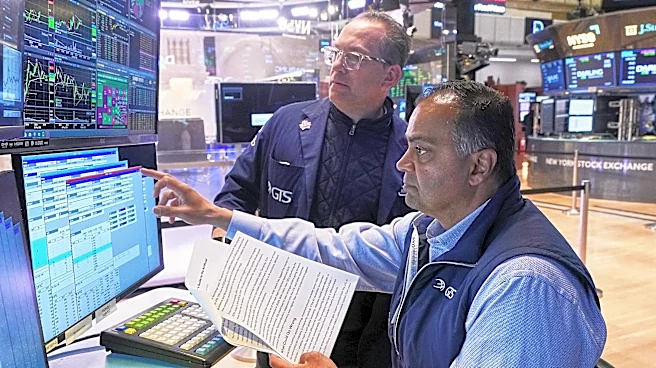
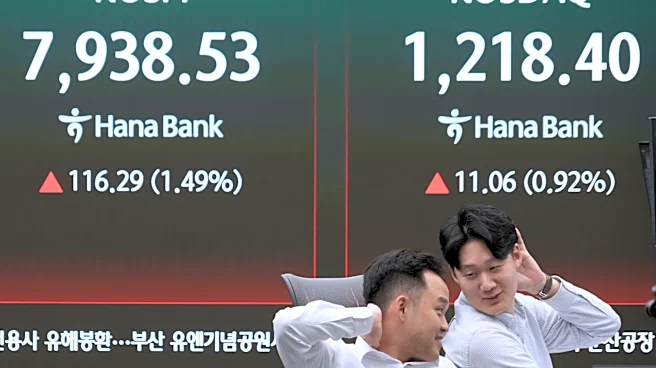
US stock futures experienced a decline on Tuesday as investors anticipated the release of the Consumer Price Index (CPI) for April, which is expected to provide insights into the economic impact of the ongoing US-Iran conflict. Futures for the Dow Jones
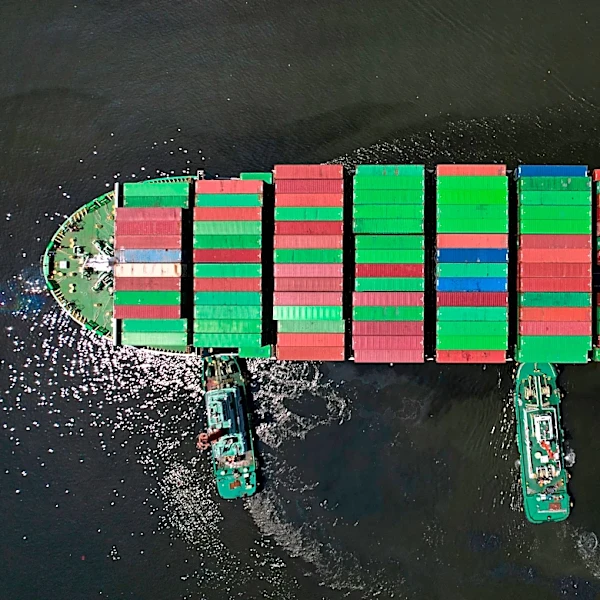
Industrial Average and S&P 500 saw slight decreases, while Nasdaq 100 futures fell by 0.6%. The market's focus is on the CPI data, which economists predict will show a 3.7% increase, potentially influencing Federal Reserve monetary policy. The backdrop of escalating tensions between the US and Iran, with President Trump expressing doubts over the ceasefire agreement, has kept investors cautious. Additionally, oil prices have risen due to the prolonged closure of the Strait of Hormuz, further impacting market sentiment.
Why It's Important?
The anticipated CPI report is crucial as it will offer a clearer picture of how the US-Iran conflict is affecting inflation and economic stability. A higher-than-expected inflation rate could lead to adjustments in Federal Reserve interest rate policies, impacting borrowing costs and economic growth. The ongoing tensions with Iran, particularly concerning the Strait of Hormuz, are significant as they affect global oil supply and prices, influencing various sectors of the economy. Investors and policymakers are closely monitoring these developments, as they could have far-reaching implications for economic strategies and international relations.
What's Next?
Following the CPI report, market participants will likely adjust their expectations regarding Federal Reserve actions, particularly if inflation data exceeds forecasts. President Trump's upcoming visit to China, where trade and AI discussions are expected, could also influence market dynamics. The continuation of earnings season, with major companies like Cisco Systems and Alibaba Group reporting, will provide further insights into corporate performance amid geopolitical tensions. The resolution or escalation of the US-Iran conflict remains a critical factor that could sway market sentiment and economic policies in the near future.