







What's Happening?
Inflation in the U.S. has surged to a three-year high of 3.8% in April, driven by a Middle East energy price shock. This increase in the Consumer Price Index (CPI) is expected to put upward pressure on mortgage rates, which averaged 6.37% last week. Core
inflation, excluding food and energy, rose to 2.8%. The energy index saw a significant increase, contributing to the overall rise in prices. This inflationary trend poses challenges for the spring homebuying season, as higher mortgage rates could affect affordability and consumer sentiment.
Why It's Important?
The rise in inflation and its impact on mortgage rates could have significant implications for the housing market and broader economy. Higher mortgage rates may deter potential homebuyers, affecting housing demand and prices. Additionally, the increase in energy prices could lead to higher costs for goods and services, impacting consumer spending and economic growth. Policymakers and financial institutions will need to address these challenges to maintain economic stability.
What's Next?
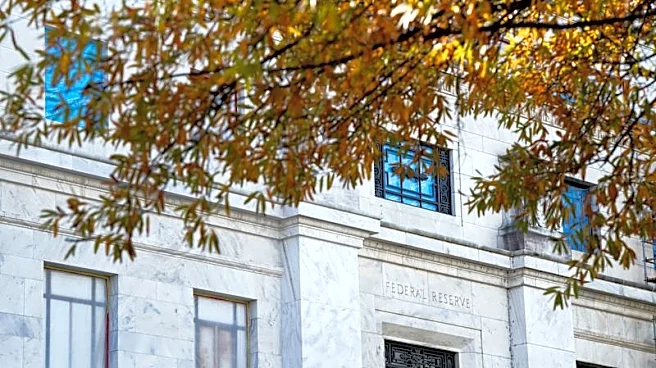
As inflation continues to rise, the Federal Reserve and other stakeholders will need to monitor economic indicators closely. Potential measures to curb inflation could include adjustments to interest rates or other monetary policies. The housing market may experience shifts in demand and pricing as consumers react to changing economic conditions. Ongoing developments in the Middle East and their impact on energy prices will also be critical factors to watch.