
What's Happening?
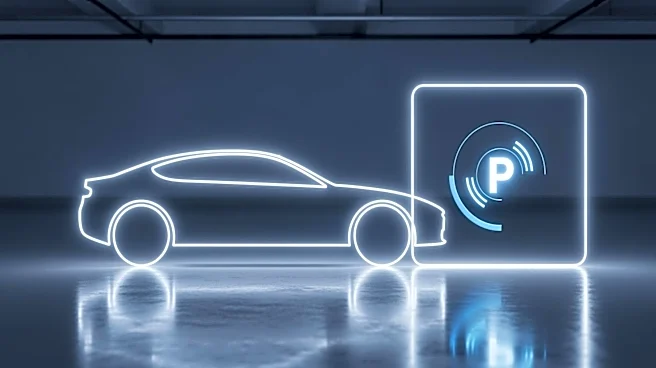
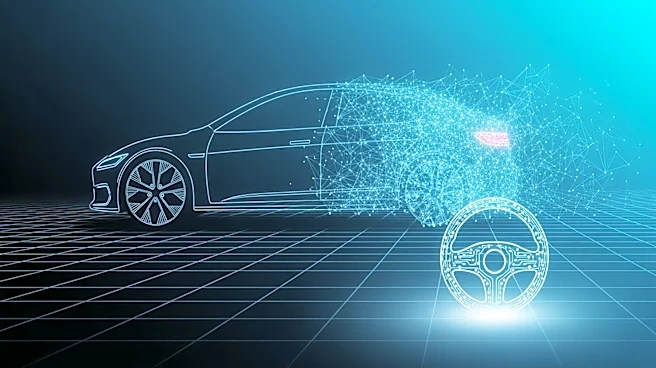
The U.S. National Highway Traffic Safety Administration (NHTSA) has concluded a 15-month investigation into Tesla's 'Actually Smart Summon' feature, which allows owners to remotely drive their cars short distances using an app. The investigation was initiated
after several incidents where Teslas, using this feature, were involved in minor crashes, primarily in parking lots. The NHTSA found that these incidents resulted in minor property damage and no injuries or fatalities. The crashes were often due to the camera's view being obstructed by snow or the vehicle not being commanded to stop by the owner. Tesla has since updated its software to address these issues. The NHTSA's Office of Defects concluded that the low severity of incidents warranted the closure of this investigation.
Why It's Important?
The closure of this investigation is significant for Tesla as it alleviates some regulatory pressure on the company, allowing it to focus on other aspects of its self-driving technology. This decision may bolster consumer confidence in Tesla's autonomous features, potentially influencing market dynamics in the automotive industry. However, the NHTSA continues to investigate Tesla's 'Full Self-Driving' technology, which has been linked to more severe incidents, including a fatal crash. The ongoing scrutiny highlights the challenges and responsibilities automakers face in ensuring the safety of autonomous vehicle technologies. The outcome of these investigations could impact regulatory frameworks and the future development of self-driving cars.
What's Next?
While the investigation into the 'Actually Smart Summon' feature is closed, Tesla remains under scrutiny for its 'Full Self-Driving' technology. The NHTSA is investigating nine crashes, including a fatality, and evaluating six potentially related incidents. The results of these investigations could lead to further regulatory actions or requirements for Tesla and other automakers developing similar technologies. Stakeholders, including consumers, regulators, and competitors, will be closely watching the outcomes, which could influence the pace and direction of autonomous vehicle development and deployment.