






What's Happening?
Oil prices increased in early Asian trading as investors reassessed the likelihood of a near-term peace agreement between the U.S. and Iran. Brent crude futures rose by 0.66% to $101.94 per barrel, while U.S. West Texas Intermediate crude gained 0.74%
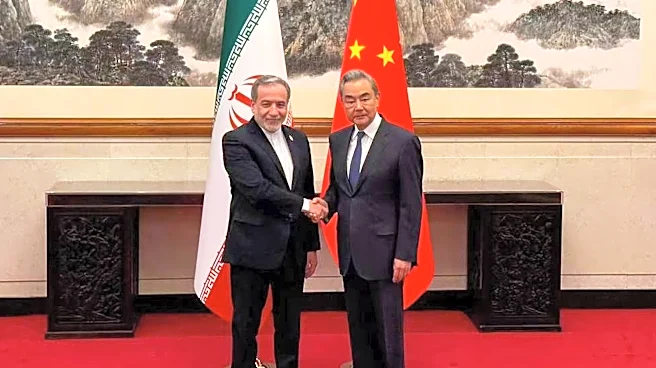
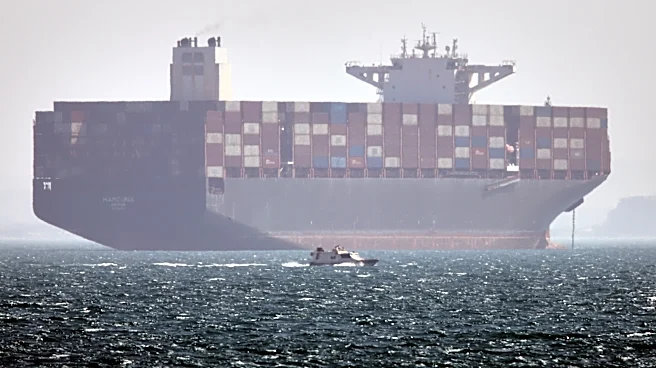
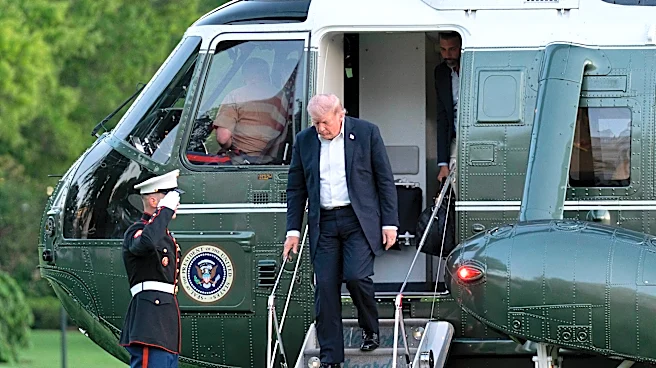
to $95.78 per barrel. This rebound followed a significant drop of over 7% in the previous session, driven by reports of potential progress towards a U.S.-Iran agreement that could end the conflict and reopen the Strait of Hormuz. However, President Trump indicated that direct talks with Tehran were premature, and Iranian officials highlighted unresolved issues, particularly concerning nuclear matters. The U.S. has proposed a memorandum to end the conflict, with an Iranian response expected soon. Despite diplomatic efforts, traffic through the Strait of Hormuz remains restricted, affecting global energy flows. The U.S. Energy Information Administration reported a decline in crude and fuel inventories, supporting oil prices.
Why It's Important?
The potential for a U.S.-Iran peace agreement holds significant implications for global oil markets and geopolitical stability. The reopening of the Strait of Hormuz, a critical chokepoint for global oil shipments, could alleviate supply constraints and stabilize energy prices. However, unresolved issues in the negotiations pose risks to achieving a lasting agreement. The current tightness in physical crude markets, coupled with declining U.S. inventories, continues to support oil prices. Any developments in the U.S.-Iran talks could lead to volatility in oil markets, impacting energy costs for consumers and businesses worldwide. The situation also underscores the interconnectedness of geopolitical events and global energy security.
What's Next?
The oil market will remain sensitive to any announcements from Washington or Tehran regarding the peace negotiations. A diplomatic breakthrough could lead to a stabilization of oil prices and improved energy flow through the Strait of Hormuz. Conversely, a failure to reach an agreement could exacerbate supply constraints and drive prices higher. Market participants will be closely monitoring the situation for any signs of progress or setbacks in the talks. Additionally, the ongoing tightness in crude markets and U.S. inventory levels will continue to influence price dynamics.