

What's Happening?
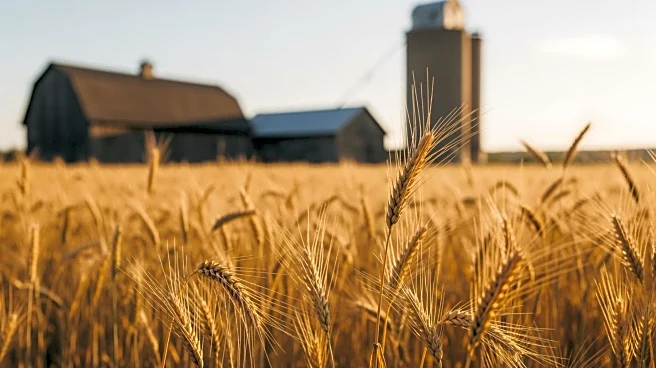
The importance of domestic processing in supporting U.S. farmers and rural economies is highlighted by the current agricultural landscape. Local processing of crops ensures that more economic value remains within the country, creating jobs and strengthening
markets. Despite increased productivity in agriculture due to advancements in technology and farming practices, profitability is not guaranteed if processing is outsourced. The cotton industry exemplifies this issue, as the decline in domestic textile manufacturing has led to increased reliance on exports, shifting economic value abroad. Similarly, the sugar industry is affected by the closure of processing facilities, which can halt production in certain regions. In contrast, the corn and soybean markets benefit from strong domestic demand, driven by investments in biofuels and processing facilities, providing stable markets for farmers.
Why It's Important?
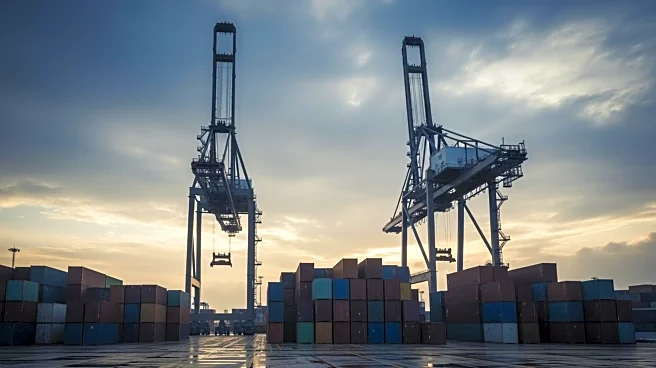
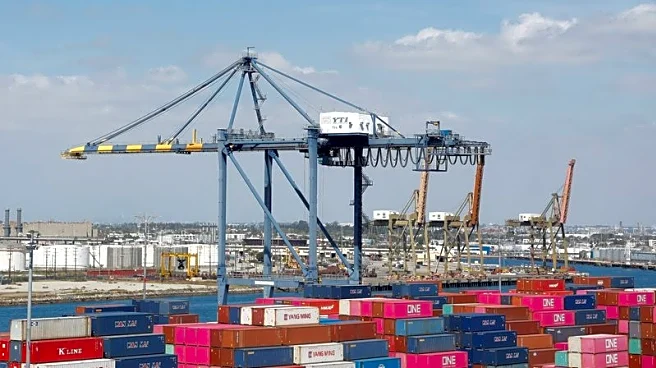
The shift of processing facilities overseas poses significant risks to U.S. farmers and rural economies. When processing is done abroad, farmers become more vulnerable to global market fluctuations, trade disruptions, and geopolitical tensions. This reliance on export markets can lead to instability and reduced profitability. Maintaining domestic processing capabilities is crucial for ensuring stable markets and economic growth in rural areas. The loss of processing facilities can have long-term negative impacts, as rebuilding requires substantial investments and skilled labor. By keeping processing local, the U.S. can support its agricultural sector, create jobs, and strengthen rural communities, ultimately contributing to a more resilient economy.
What's Next?
To address these challenges, there may be increased advocacy for policies that support domestic processing and infrastructure development. Stakeholders, including government agencies and agricultural organizations, might push for investments in processing facilities to reduce reliance on exports and enhance local demand. This could involve incentives for businesses to establish or expand processing operations within the U.S. Additionally, there may be efforts to diversify markets and reduce exposure to international risks. By focusing on strengthening domestic processing, the U.S. can work towards a more sustainable and profitable agricultural sector.
Beyond the Headlines
The broader implications of this issue extend to the cultural and social fabric of rural communities. The decline of local processing facilities can lead to job losses and economic decline, affecting the quality of life in these areas. Moreover, the shift towards global markets can erode traditional farming practices and community ties. By prioritizing domestic processing, there is an opportunity to preserve rural heritage and promote sustainable agricultural practices. This approach not only benefits farmers but also supports the overall well-being of rural populations, ensuring that they remain vibrant and economically viable.