




What's Happening?
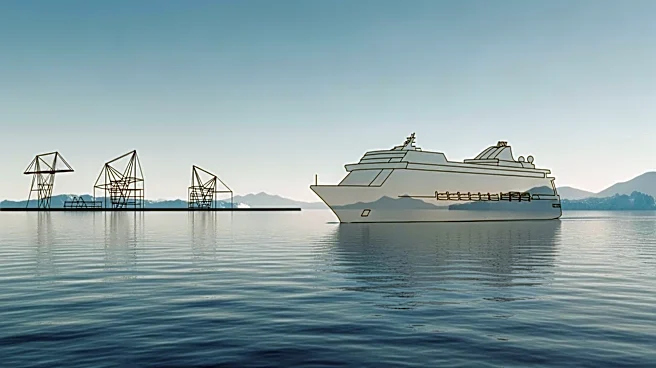
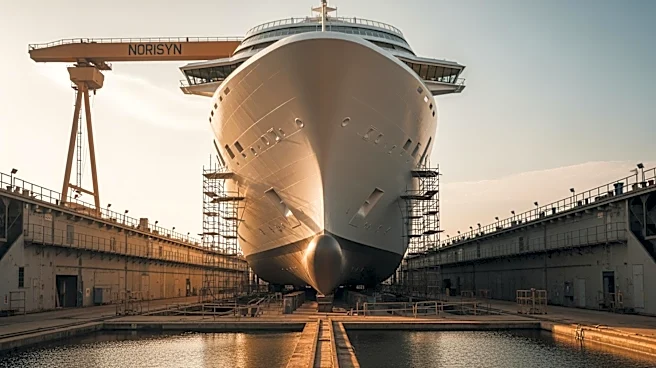
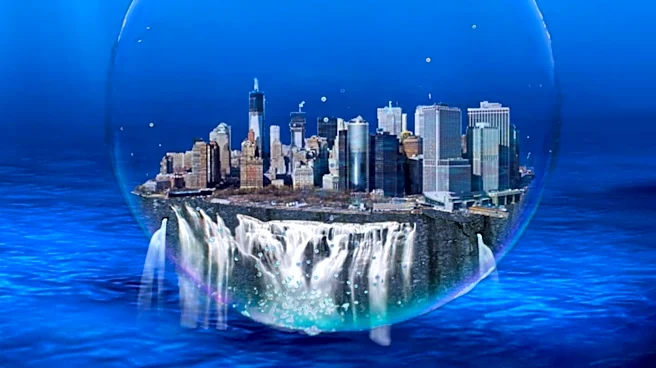
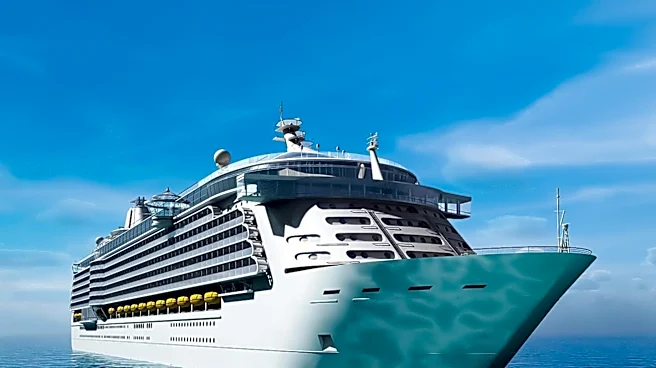
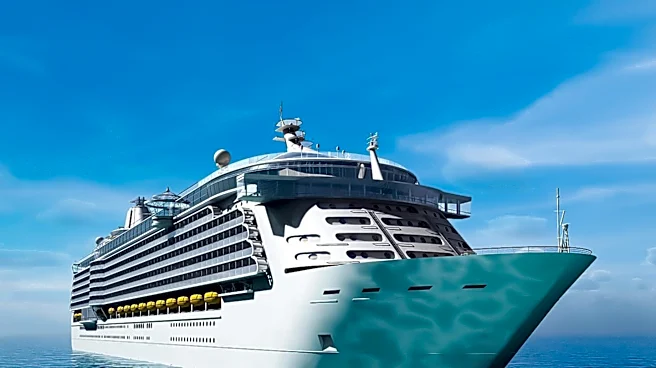
Freedom Cruise Line, led by CEO Roger Gooch, has revived plans for the Freedom Ship, a massive floating city concept first envisioned in the 1990s. The proposed vessel would be a nuclear-powered, permanently mobile city at sea, capable of housing 80,000
people. This includes 50,000 permanent residents and 10,000 tourists, supported by a crew of 20,000. The ship would feature amenities akin to a modern city, such as schools, shops, a sports stadium, museums, and a water park. The project, estimated to cost $16.16 billion, aims to create a self-contained urban environment that continuously circumnavigates the globe. The Freedom Ship would be too large to dock at any port, remaining in international waters and using ferries and helicopters for transport to land.
Why It's Important?
The Freedom Ship represents a significant innovation in maritime living, potentially transforming how people perceive and experience life at sea. If realized, it could set a new standard for luxury and sustainability in the cruise industry, challenging existing giants like Royal Caribbean and Carnival Cruise Line. The project also highlights the growing interest in alternative living spaces and the use of nuclear energy for sustainable development. Economically, the construction and operation of such a vessel could create numerous jobs and stimulate related industries. However, the project's success hinges on securing substantial financial investment and overcoming technical challenges associated with building and maintaining a floating city.
What's Next?
The next steps for the Freedom Ship project involve securing the necessary funding to begin construction. CEO Roger Gooch is actively seeking investors to bring the concept to fruition. If funding is secured, construction could take up to four years, with the possibility of residents moving aboard during the building phase. The project's progress will be closely watched by industry stakeholders and potential residents, as it promises to redefine maritime living. Additionally, regulatory approvals and international maritime laws will play a crucial role in the project's development and operation.
Beyond the Headlines
The Freedom Ship raises questions about the future of urban living and the potential for self-sustaining communities at sea. It challenges traditional notions of city planning and infrastructure, offering a unique solution to issues like overpopulation and urban sprawl. The project's reliance on nuclear energy also underscores the ongoing debate about sustainable energy sources and their role in future developments. Culturally, the ship could foster a new type of global community, with residents from diverse backgrounds living and interacting in a shared space. This could lead to unique cultural exchanges and innovations in community living.