







What's Happening?
Hertz is expanding its partnership with Uber to enhance both autonomous and driver-led fleet services. This collaboration involves Hertz's affiliated company, Oro Mobility, which will manage large-scale vehicle fleets for Uber. Oro Mobility will support
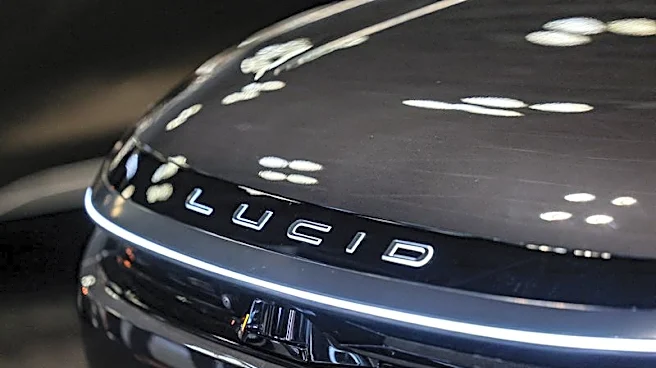
Uber's autonomous robotaxi program using Lucid vehicles equipped with Nuro autonomous driving technology. The services provided will include charging, maintenance, repairs, cleaning, and depot staffing. The initiative is set to launch in the San Francisco Bay Area later this year, with plans for further expansion in 2027. Additionally, Oro will offer driver-led fleet services on the Uber platform using vehicles operated by its own drivers. This model aims to meet increasing rider demand while maintaining consistent service levels. The service, which began as a pilot in Atlanta, is now operational in Los Angeles and San Francisco, with Northern New Jersey expected to launch soon.
Why It's Important?
This partnership between Hertz and Uber signifies a significant shift in the rental and rideshare industries towards more integrated and technologically advanced fleet management solutions. By incorporating autonomous vehicles into their operations, both companies are positioning themselves at the forefront of the evolving mobility landscape. This move could potentially reduce operational costs and increase efficiency, benefiting both companies and their customers. For Uber, the integration of autonomous vehicles could lead to a reduction in driver-related expenses and an increase in service availability. For Hertz, this partnership represents a strategic diversification beyond traditional car rentals, allowing it to tap into the growing demand for innovative mobility solutions. The collaboration could also set a precedent for other companies in the industry to explore similar partnerships, further accelerating the adoption of autonomous technology in transportation.
What's Next?
The next steps for Hertz and Uber involve the rollout of their enhanced fleet services in the San Francisco Bay Area, followed by further expansion in 2027. As the service becomes operational, both companies will likely monitor its performance closely to assess the impact on operational efficiency and customer satisfaction. The success of this initiative could lead to additional partnerships and expansions into other regions. Stakeholders, including investors and industry analysts, will be watching closely to see how this collaboration influences the broader market and whether it prompts other companies to pursue similar strategies. Additionally, regulatory considerations around autonomous vehicles will play a crucial role in shaping the future of this partnership, as both companies navigate the legal and safety challenges associated with deploying autonomous technology on public roads.