


What's Happening?
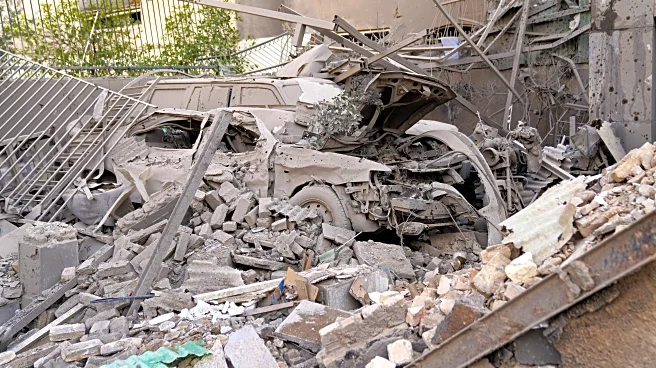
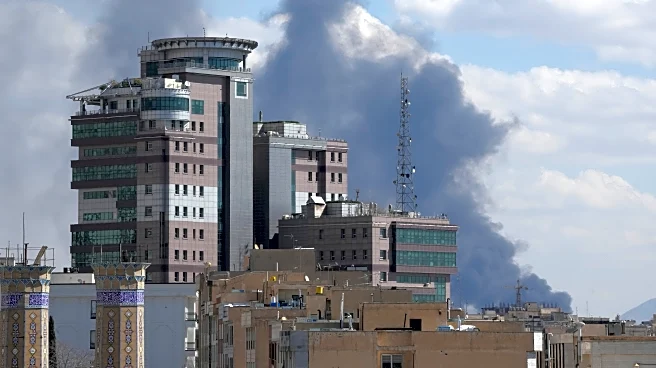
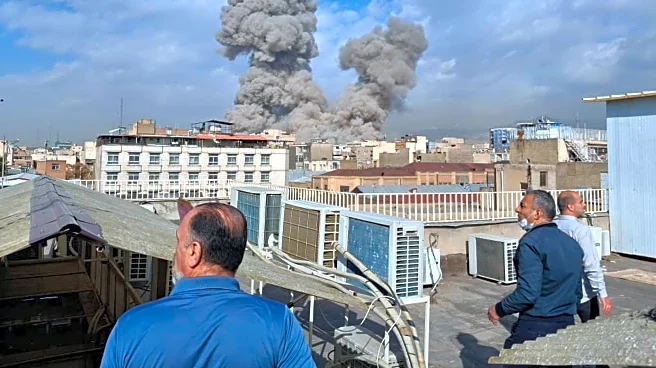
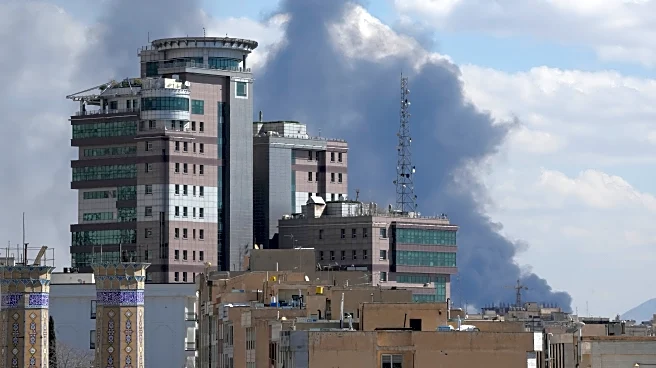
The president of Iran's soccer federation, Mehdi Taj, has expressed uncertainty about the national team's ability to participate in the upcoming World Cup in the United States. This follows recent military actions by the U.S. and Israel against Iran,
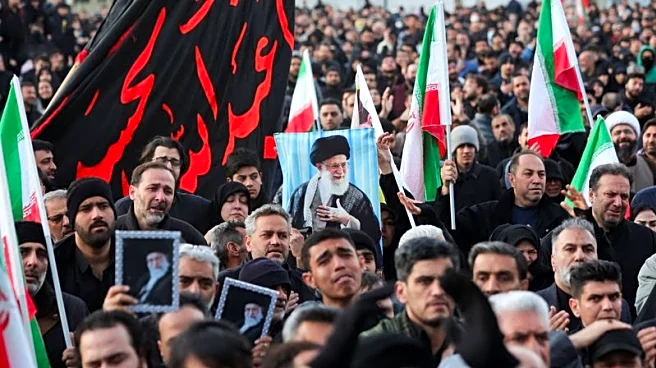
which have escalated regional tensions. The strikes, which resulted in the death of Iranian Supreme Leader Ayatollah Ali Khamenei, have led to increased instability in the region. Iran is scheduled to play in Group G, with matches against New Zealand, Belgium, and Egypt in various U.S. cities. However, the current geopolitical situation has cast doubt on Iran's participation. FIFA has not yet commented on the situation but is reportedly monitoring developments closely.
Why It's Important?
The potential withdrawal of Iran from the World Cup could have significant implications for international sports diplomacy and regional politics. The World Cup, co-hosted by the U.S., Canada, and Mexico, is a major global event, and Iran's absence would highlight the impact of geopolitical conflicts on international sports. This situation also underscores the broader tensions between the U.S. and Iran, which have been exacerbated by recent military actions. The participation of Iran in the World Cup could serve as a platform for dialogue and engagement, but the current uncertainty reflects the challenges of maintaining such engagements amid political and military conflicts.
What's Next?
The situation remains fluid, with potential developments depending on diplomatic efforts and further actions by FIFA. The international community, including sports governing bodies, may need to engage in diplomatic efforts to ensure the participation of all qualified teams. The outcome of these efforts could influence future international sporting events and their role in fostering global cooperation. Additionally, the response from other countries and international organizations will be crucial in determining the next steps for Iran's participation in the World Cup.