






What's Happening?
A recent study published in PLOS Medicine has found that women who adhere to recommended physical activity guidelines during midlife have about half the risk of dying from any cause compared to those who are inactive. Conducted by researchers from the University
of Sydney, the study analyzed data from 11,169 women born between 1946 and 1951 over a period of more than 15 years. Participants reported their adherence to the World Health Organization's guideline of 150 minutes of moderate-to-vigorous physical activity per week. The study revealed that only 5.3% of women who met these guidelines died during the study period, compared to 10.4% of those who did not. The research underscores the importance of maintaining physical activity to mitigate risks associated with cardiovascular disease and cancer, although the findings for these specific causes were less conclusive due to smaller sample sizes.
Why It's Important?
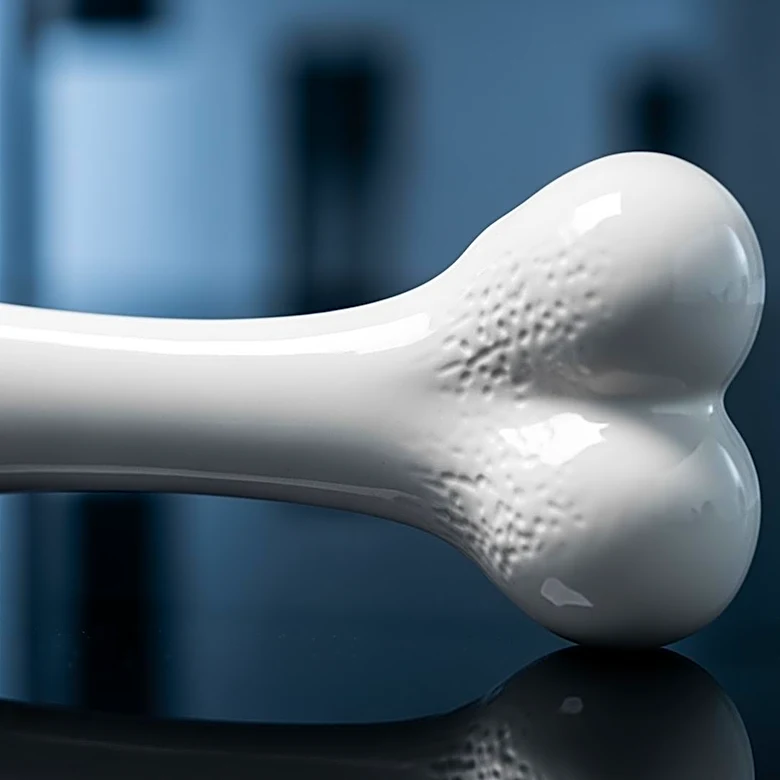
The findings of this study are significant as they highlight the critical role of physical activity in enhancing longevity and reducing mortality risk among women in midlife. This period often involves hormonal changes that can lead to decreased muscle mass and bone density, making exercise even more crucial. The study suggests that consistent physical activity can serve as a protective factor against early death, offering a non-pharmaceutical approach to health maintenance. This has implications for public health policies and individual health strategies, emphasizing the need for accessible exercise programs and education on the benefits of physical activity. Women who maintain an active lifestyle stand to gain improved health outcomes and potentially lower healthcare costs associated with chronic diseases.
What's Next?
While the study provides compelling evidence for the benefits of exercise, further research is needed to determine if starting physical activity later in life offers similar benefits. Public health initiatives may focus on promoting physical activity among midlife women, potentially incorporating community programs and workplace wellness initiatives. Healthcare providers might also play a role in encouraging patients to meet exercise guidelines, tailoring advice to individual capabilities and health conditions. As awareness grows, there could be an increase in demand for fitness programs tailored to the needs of midlife women, including those that address specific challenges such as hormonal changes and energy levels.
Beyond the Headlines
The study's findings may also influence cultural perceptions of aging and health, encouraging a shift towards viewing midlife as a period of opportunity for health improvement rather than decline. This could lead to broader societal changes in how aging is approached, with more emphasis on proactive health measures. Additionally, the research may inspire innovations in fitness technology and programs designed to engage older adults, potentially leading to new business opportunities in the wellness industry.