






What's Happening?
A recent study conducted by researchers at the USC Leonard Davis School of Gerontology has found that adherence to a Mediterranean diet is associated with higher levels of mitochondrial microproteins, humanin and SHMOOSE, which are linked to protection
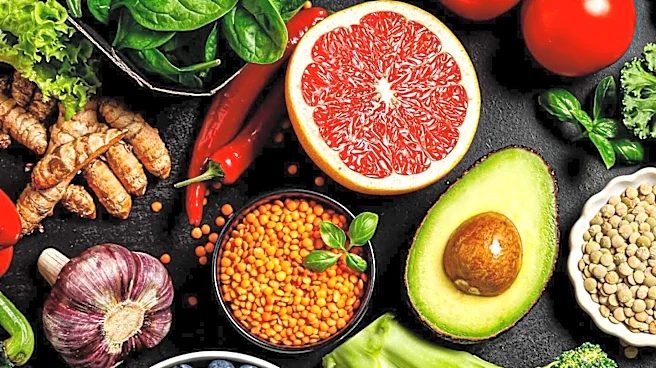
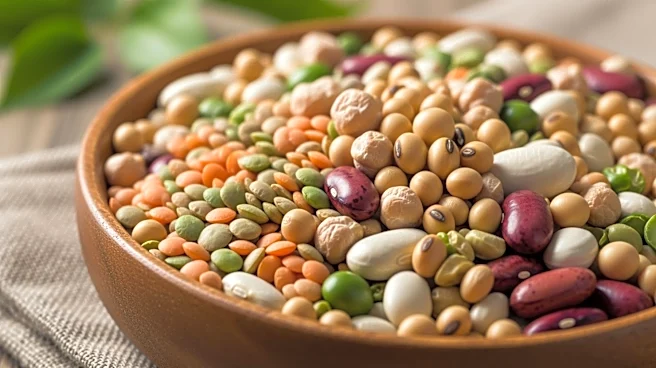
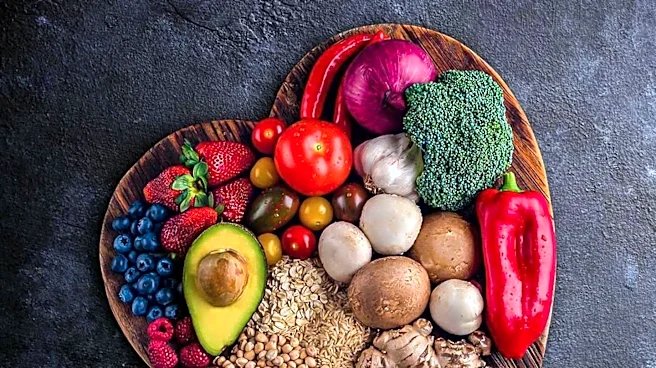
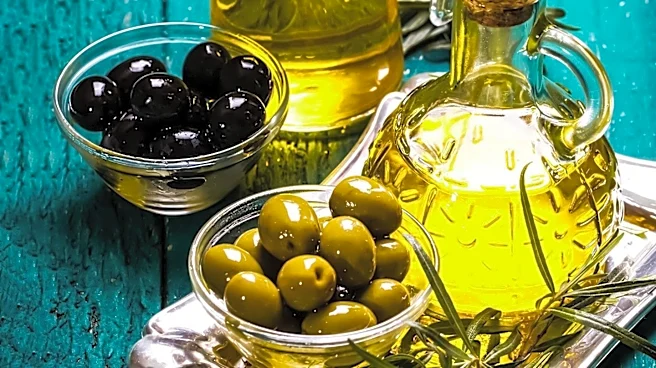
against cardiovascular disease and neurodegeneration. The study, led by Roberto Vicinanza, examined blood samples from older adults and found that those who closely followed the Mediterranean diet had higher levels of these proteins and lower markers of oxidative stress. The diet, rich in olive oil, fish, legumes, fruits, and vegetables, has long been associated with reduced risks of heart disease, diabetes, and cognitive decline. The researchers suggest that these microproteins may act as molecular messengers, translating dietary intake into cellular function and aging processes.
Why It's Important?
The findings of this study highlight a potential new biological pathway through which the Mediterranean diet exerts its health benefits, offering insights into precision nutrition. By identifying specific microproteins linked to diet, the research opens avenues for personalized dietary recommendations aimed at promoting healthy aging and reducing disease risk. This could have significant implications for public health strategies, particularly in aging populations, by providing a scientific basis for dietary guidelines that enhance longevity and quality of life. The study also underscores the importance of diet in managing oxidative stress, a key factor in chronic diseases, thereby potentially reducing healthcare costs associated with age-related conditions.
What's Next?
Future research will focus on understanding the causal relationships between dietary interventions and the levels of these microproteins. The goal is to develop nutritional strategies that can directly influence these pathways, potentially leading to new dietary guidelines and interventions that promote healthy aging at the molecular level. Additionally, the study's findings may influence global dietary recommendations and public health policies, particularly in promoting the Mediterranean diet as a model for health and sustainability.
Beyond the Headlines
The study's implications extend beyond individual health, as it connects traditional dietary practices with modern molecular biology, highlighting the role of diet in cultural and environmental sustainability. The research supports the idea that long-standing dietary patterns, such as the Mediterranean diet, are aligned with human evolutionary adaptations, offering a holistic approach to health that integrates cultural heritage with scientific innovation.