



What's Happening?
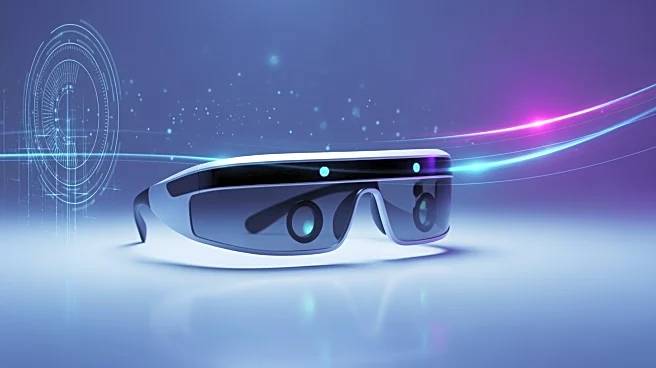
In 2026, several companies are poised to revolutionize consumer technology with the introduction of advanced augmented reality (AR) devices. Samsung has announced AI smart glasses that integrate AI assistants with lightweight frames, aiming for a consumer launch
within the year. Meta's Ray-Ban Display glasses, despite facing supply constraints, are expected to undergo production shifts to meet high demand. Snap has spun off its Specs unit into a standalone company to accelerate the rollout of AR eyewear. Magic Leap has unveiled an Android XR prototype, suggesting a move towards open platforms that could attract more developers. Warby Parker, in collaboration with Google, is working on AI-powered eyewear that could normalize AR glasses as regular retail items. Amazon's Jayhawk project targets both retail and worker productivity with one-eye displays, indicating a focus on utility over entertainment.
Why It's Important?
The introduction of these AR devices signifies a major shift in how consumers interact with technology. By making AR more accessible and practical, these innovations could lead to widespread adoption, impacting various sectors such as retail, logistics, and personal technology. Samsung's AI glasses could reduce reliance on smartphones by offering hands-free notifications and voice-first search capabilities. Meta's and Snap's efforts highlight the growing consumer interest in AR, while Magic Leap's open platform approach could foster a more diverse app ecosystem. Warby Parker's retail strategy could make AR glasses a common sight, and Amazon's focus on productivity suggests significant efficiency gains in logistics and retail operations. These developments could reshape consumer expectations and drive further innovation in the tech industry.
What's Next?
As these AR devices move closer to market, companies will likely focus on overcoming production challenges and refining their technology to meet consumer expectations. Samsung, Meta, and Snap are expected to lead major consumer pushes, while Amazon's Jayhawk project could see initial success in logistics applications. The success of these devices will depend on their ability to integrate seamlessly into daily life and offer tangible benefits over existing technologies. Companies may also need to address privacy concerns, particularly with devices like Meta's Ray-Ban Display glasses, which have raised questions about recording capabilities. The coming years will be crucial in determining whether AR can transition from a niche technology to a mainstream consumer product.
Beyond the Headlines
The rise of AR technology could have broader implications beyond consumer convenience. As AR becomes more integrated into daily life, it may influence social interactions, privacy norms, and even workplace dynamics. The ability to access information and communicate hands-free could change how people engage with their environment and each other. Additionally, the normalization of AR glasses in retail could lead to new business models and marketing strategies, as companies explore ways to leverage AR for enhanced customer experiences. The ethical considerations surrounding data privacy and surveillance will also become increasingly important as AR devices become more prevalent.