
What's Happening?
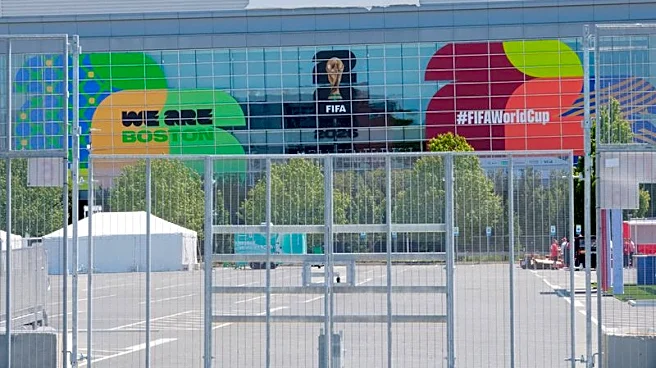
Security planners are gearing up for the influx of millions of soccer fans expected to gather in 11 U.S. cities for the World Cup. The event, which will feature 48 teams and 104 matches across three host
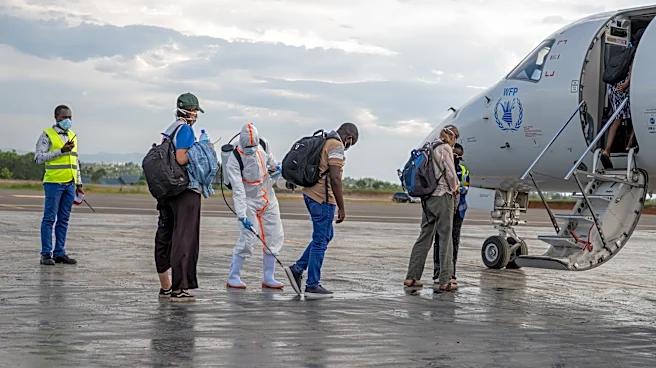
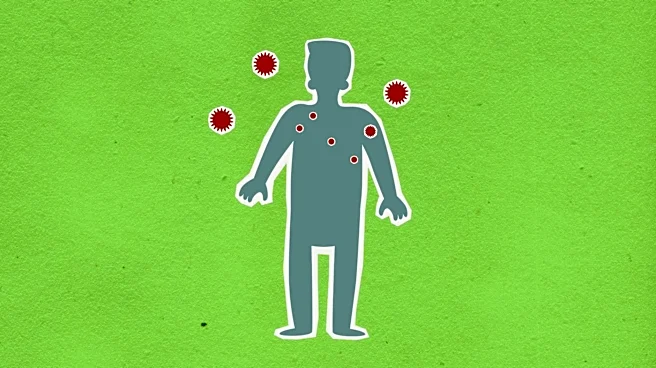
nations, presents unique security challenges. Andrew Giuliani, the executive director of the White House Task Force on the World Cup, emphasized the need for coordination among state, local, and federal law enforcement agencies to address these challenges. The task force has been actively preparing by attending major U.S. events to observe security and logistics coordination. Host cities have received $625 million in federal security funding to enhance preparations, including reimbursing law enforcement for extra security measures. A recent concern is an outbreak of a rare Ebola virus in Congo and Uganda, which has been declared a public health emergency by the World Health Organization. Security officials have confirmed that the Congolese national team has not been in the affected region recently and have advised against adding new members who have been in the area.
Why It's Important?
The World Cup is a significant international event that draws massive crowds, making it a potential target for security threats. The coordination of security efforts across multiple cities is crucial to ensure the safety of attendees and participants. The federal funding and strategic planning underscore the importance of preparedness in mitigating risks associated with such large-scale events. The outbreak of the Ebola virus adds an additional layer of complexity, highlighting the need for vigilant health monitoring and preventive measures. The event's success depends on the effective collaboration of various law enforcement agencies and the implementation of comprehensive security strategies.
What's Next?
As the World Cup approaches, security planners will continue to refine their strategies and coordinate with local law enforcement to address any emerging threats. Discussions are ongoing regarding FIFA's policy to bar fans from bringing refillable water bottles into stadiums, balancing safety concerns with the need to keep fans hydrated. The task force will remain vigilant in monitoring health developments related to the Ebola outbreak and ensure that all teams comply with health guidelines. The success of the event will depend on the continued collaboration and adaptability of security measures in response to evolving challenges.