







What's Happening?
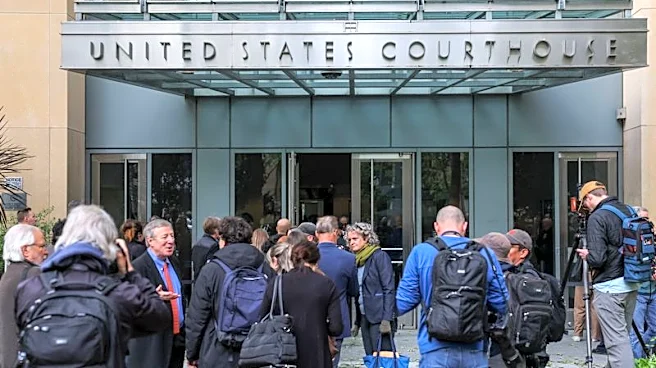
OpenAI has publicly accused Elon Musk of being motivated by jealousy in an ongoing legal battle. Musk, who is suing OpenAI co-founder Sam Altman and the organization itself, claims he was misled about OpenAI's transition from a non-profit to a for-profit
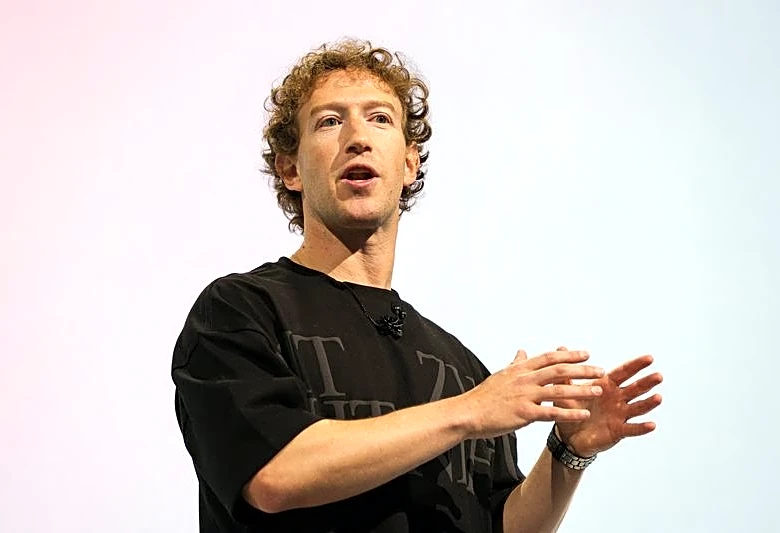
model. In a blog post titled 'The truth about Elon Musk and OpenAI,' OpenAI alleges that Musk has harassed the company through baseless lawsuits and public attacks. The post also claims that Musk coordinated with Mark Zuckerberg to undermine OpenAI's mission. OpenAI defends its achievements, including its commitment to developing Artificial General Intelligence (AGI) for the benefit of humanity and its $25 billion financial commitment to health breakthroughs. The post further alleges that Musk demanded full control of OpenAI and wanted to merge it with Tesla, which led to his departure from the company.
Why It's Important?
The legal dispute between Elon Musk and OpenAI highlights the challenges and complexities involved in the governance and strategic direction of tech companies, especially those involved in cutting-edge technologies like AI. The case underscores the tension between profit motives and ethical considerations in the tech industry. Musk's allegations and OpenAI's counterclaims could have significant implications for the future of AI development and the role of major tech figures in shaping its trajectory. The outcome of this legal battle may influence how tech companies balance innovation with ethical responsibilities and could set precedents for future disputes in the industry. Additionally, the public nature of the accusations and the involvement of high-profile figures like Musk and Zuckerberg draw attention to the competitive dynamics within the tech sector.
What's Next?
As the trial progresses, both parties are likely to present further evidence and arguments to support their claims. The court's decision could impact OpenAI's operational model and its relationship with stakeholders, including investors and partners like Microsoft. The case may also prompt discussions about the governance structures of tech companies and the role of founders in decision-making processes. Depending on the outcome, there could be broader implications for the tech industry, particularly regarding the balance between profit and ethical considerations in AI development. Observers will be watching closely to see how this high-profile legal battle unfolds and what it means for the future of AI and tech governance.