



What's Happening?
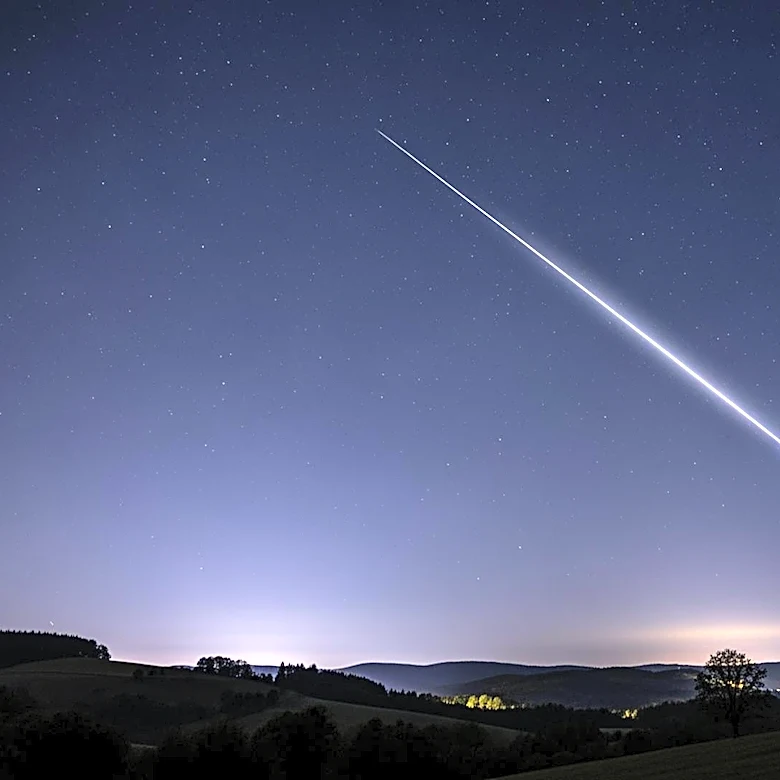
SpaceX is preparing to achieve its 600th Falcon booster landing during a Starlink mission scheduled for Sunday morning. The Falcon 9 rocket will launch from Vandenberg Space Force Base, following a south-southwesterly trajectory. Initially planned for Saturday,
the launch was postponed without a specified reason. The mission, named Starlink 17-22, aims to add 25 more broadband internet satellites to SpaceX's extensive low Earth orbit constellation, which already includes over 10,200 satellites. The Falcon 9 rocket, using the first stage booster B1097, will be making its seventh flight, having previously launched missions such as Sentinel-6B and Twilight. The booster is expected to land on the SpaceX drone ship 'Of Course I Still Love You' approximately eight minutes after liftoff.
Why It's Important?
This mission underscores SpaceX's continued advancements in reusable rocket technology, which significantly reduces the cost of space travel and satellite deployment. The successful landing of the Falcon booster will mark a milestone in SpaceX's efforts to make space missions more sustainable and economically viable. The expansion of the Starlink satellite constellation is crucial for SpaceX's goal to provide global broadband internet coverage, particularly in remote and underserved areas. This mission also highlights the growing competition in the commercial space industry, as companies strive to enhance their capabilities and market share in satellite internet services.
What's Next?
Following the successful launch and landing, SpaceX will continue to focus on expanding its Starlink network, aiming to increase its satellite count and improve internet service quality. The company is likely to conduct more frequent launches to maintain its competitive edge in the satellite internet market. Additionally, SpaceX's achievements in reusable rocket technology may influence other aerospace companies to adopt similar practices, potentially leading to broader industry changes.