

What's Happening?
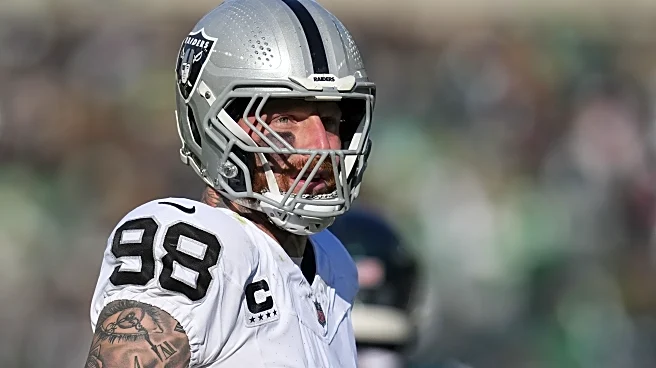
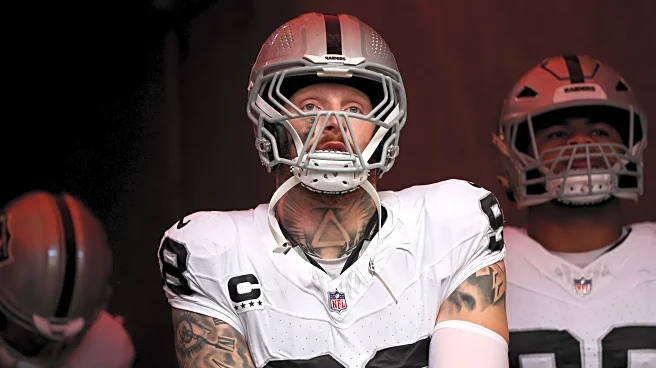
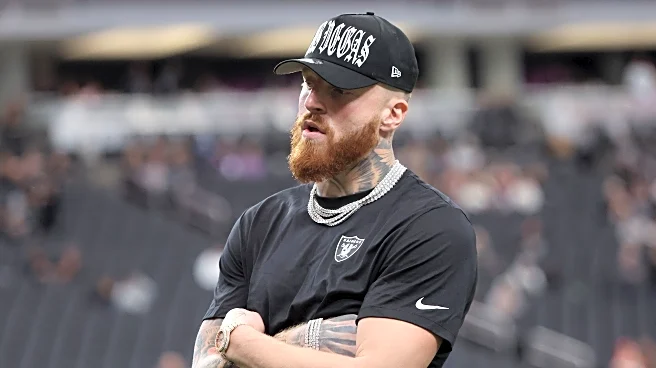
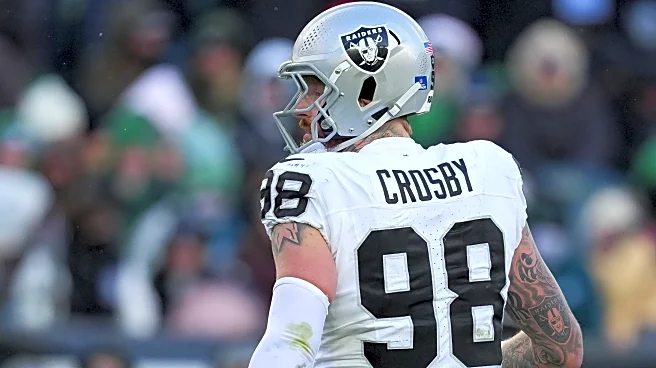
The Baltimore Ravens recently decided not to proceed with a trade for Maxx Crosby from the Las Vegas Raiders due to concerns over a degenerative issue in Crosby's knee. According to a report by ESPN, the Ravens were initially set to trade two first-round
picks for Crosby, who had undergone surgery to repair a torn meniscus in January. The Ravens' medical team raised concerns about Crosby's long-term durability, which led to the decision to back out of the trade. This decision was made despite the fact that Crosby was expected to play in the 2026 season. The Ravens' hesitation was influenced by the potential long-term investment required, as Crosby's contract included $116 million over four years. The situation was further complicated by the availability of other players, such as Trey Hendrickson, who was available at a similar cost without draft-pick compensation.
Why It's Important?
This development highlights the critical role that medical evaluations play in professional sports trades. The Ravens' decision underscores the importance of assessing long-term player health and contract value, especially when significant draft capital is involved. For the Raiders, retaining Crosby could be beneficial, as he remains motivated to prove his worth. The situation also reflects broader trends in the NFL, where teams are increasingly cautious about player health and long-term investments. The Ravens' decision could influence future trade negotiations and player evaluations across the league, emphasizing the need for thorough medical assessments and strategic planning.
What's Next?
Moving forward, Maxx Crosby will likely focus on proving his fitness and value to the Raiders, potentially using the failed trade as motivation. The Ravens, on the other hand, may explore other options to strengthen their roster, possibly revisiting the free agent market or considering alternative trades. The outcome of this situation could also prompt other NFL teams to reassess their trade strategies, particularly regarding player health evaluations and contract negotiations. The Ravens' decision may serve as a case study for future trades, highlighting the importance of timing and comprehensive assessments in the NFL.