





What's Happening?
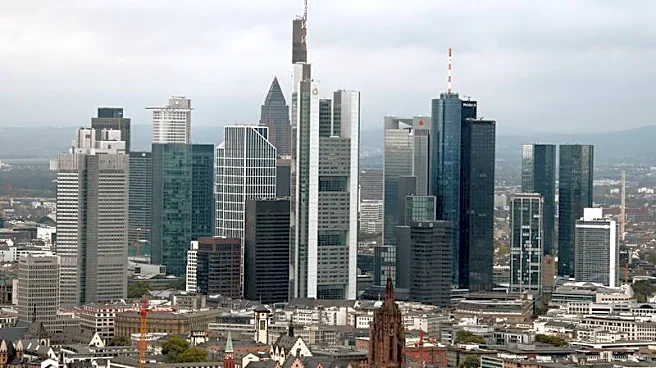
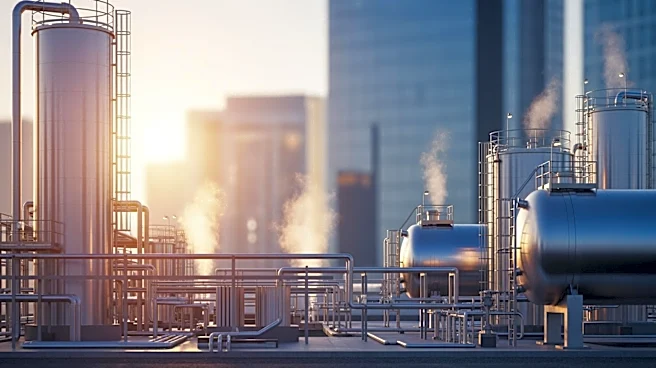
Vulcan Energy, an ASX-listed company, has commenced construction of a central lithium chemical plant at the Infraserv Industrial Park Höchst in Frankfurt. This facility is part of Vulcan's Lionheart project, which aims to produce 24,000 tons of lithium hydroxide
monohydrate annually, enough to supply 500,000 electric vehicle batteries. The plant will convert lithium chloride into lithium hydroxide using electrolysis, with renewable power and heat generated as co-products. The project, supported by key government and industry stakeholders, is expected to enhance Europe's battery value chain and energy resilience. Vulcan secured a $3.9 billion funding package for the project, which is set to begin production by 2028.
Why It's Important?
The construction of Vulcan's lithium plant in Frankfurt is a significant development for the European battery industry. As demand for electric vehicles and renewable energy storage grows, securing a domestic supply of lithium is crucial for Europe's energy independence and sustainability goals. Vulcan's project could reduce reliance on imported lithium, strengthen the regional supply chain, and support the transition to a low-carbon economy. The initiative also highlights the strategic importance of Germany in the global battery market, potentially attracting further investment and innovation in the sector.
What's Next?
Vulcan will continue to advance its construction and development activities, with a focus on meeting its 2028 production target. The company plans to leverage its direct lithium extraction technology to enhance efficiency and sustainability. As the project progresses, it will be important to monitor its impact on local communities and the broader European energy market. Vulcan's success could encourage other companies to invest in similar projects, further strengthening Europe's position in the global battery industry.