






What's Happening?
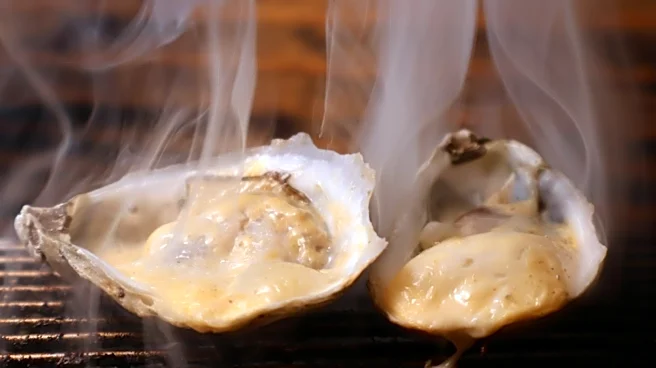
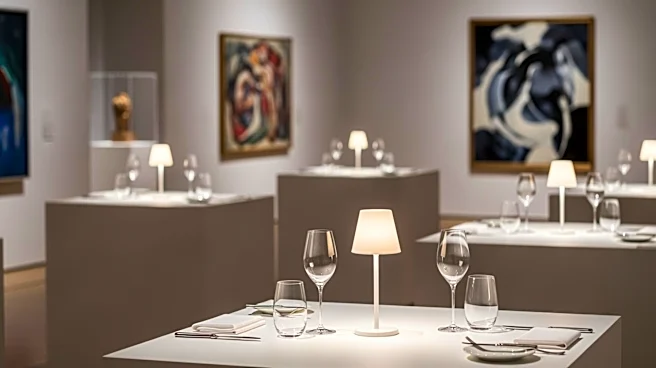
Museums in New York City are becoming popular venues for some of the city's most talked-about restaurants. Chef Ned Baldwin, who has a background in visual arts, emphasizes the importance of context in his seafood-driven menu at Zoli, located near the Amant
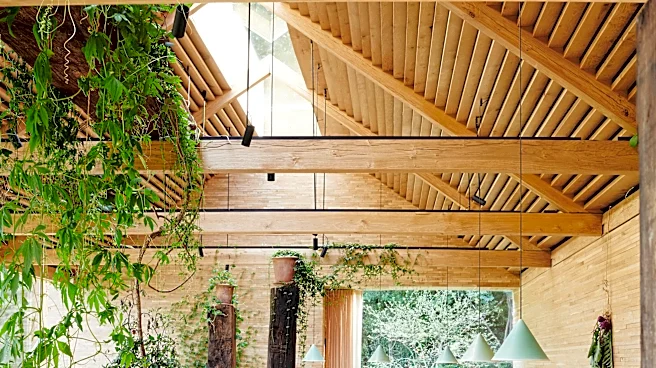
art institution. The trend of museum restaurants serving as 'third spaces' is highlighted by Henry Rich of the Oberon Group, who notes their role in providing a communal space for art enthusiasts. Robin Standefer of Roman and Williams has designed Marcel, a restaurant in the Breuer building, merging art, culture, and food. The design and menu at Marcel pay homage to the building's Bauhaus heritage, offering a timeless yet fresh dining experience.
Why It's Important?
The integration of restaurants within museums represents a significant shift in how cultural institutions engage with the public. By offering dining experiences that complement the art on display, museums can attract a broader audience and enhance visitor engagement. This trend also reflects a growing desire for spaces that combine cultural and social experiences, providing a venue for community interaction and reflection. For the restaurant industry, this presents an opportunity to reach new customers and create unique dining experiences that are deeply connected to the cultural fabric of the city.
What's Next?
As more museums explore the potential of incorporating restaurants, we may see an increase in collaborations between chefs and cultural institutions. This could lead to innovative culinary concepts that draw inspiration from the art and architecture of the museums themselves. Additionally, the success of these ventures may encourage other cultural venues to consider similar partnerships, further blurring the lines between dining and cultural experiences.
Beyond the Headlines
The trend of museum restaurants may also influence the broader hospitality industry, encouraging more establishments to consider the cultural and historical context of their locations when designing their spaces and menus. This could lead to a more thoughtful and immersive dining experience for patrons, enhancing the overall appeal of the hospitality sector.