




What's Happening?
The generative artificial intelligence (AI) market in agriculture is projected to grow significantly, expanding from $0.28 billion in 2025 to $0.93 billion by 2030, at a compound annual growth rate (CAGR) of 27.2%. This growth is driven by the adoption
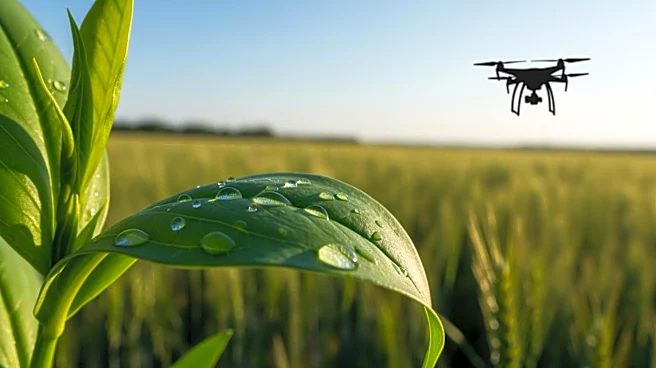
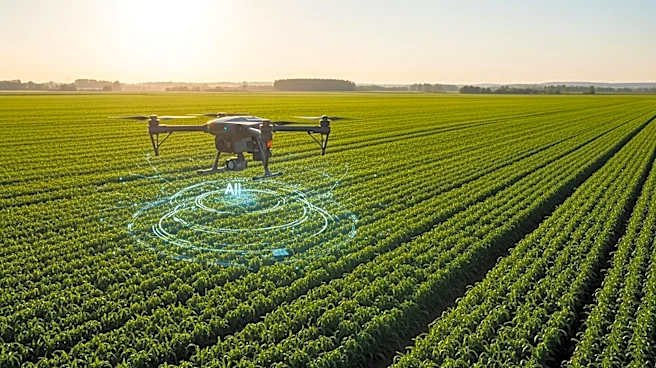
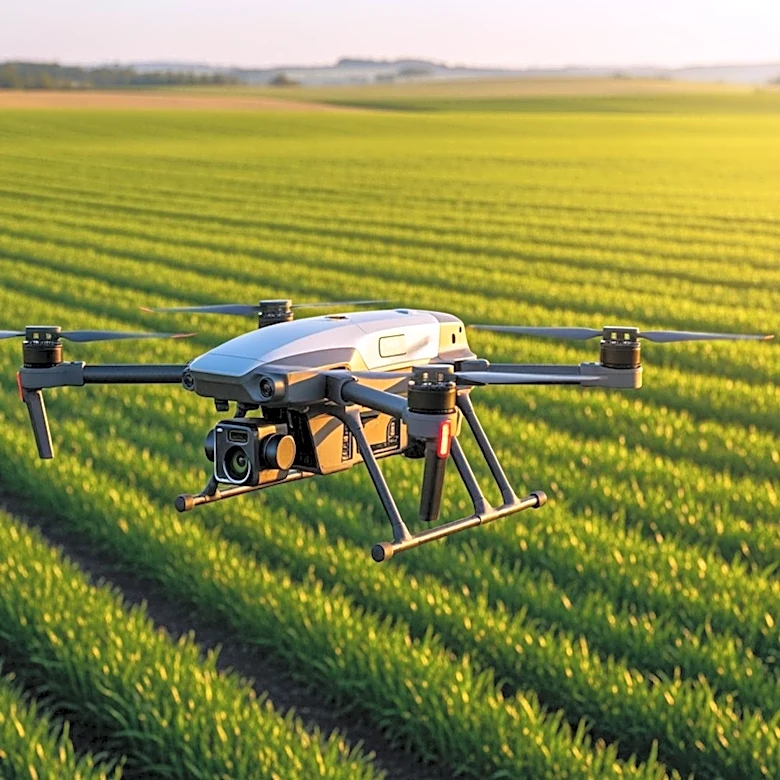
of mechanized farming, AI-powered precision agriculture, and innovative practices aimed at enhancing crop yields. Key players in this sector include Bayer AG, Benson Hill Inc., and Raven Industries Inc., among others. The market's expansion is attributed to advancements in technologies such as deep learning, robotics, and machine learning, which are being utilized to improve precision farming, soil analysis, and crop management. The generative AI sector in agriculture is integral to enhancing food security globally, with applications extending to wheat, rice, and corn.
Why It's Important?
The rapid growth of generative AI in agriculture is crucial for enhancing food security and sustainability. By improving precision farming and crop management, AI technologies can significantly increase agricultural productivity and efficiency. This growth also presents opportunities for economic development, particularly in regions that can capitalize on locally developed, cost-effective agricultural technologies. The integration of AI in agriculture can lead to better resource management, reduced environmental impact, and increased resilience to climate change. As the industry continues to innovate, the agricultural and financial sectors are poised for unprecedented growth driven by AI.
What's Next?
As the generative AI market in agriculture continues to expand, stakeholders can expect increased investment in AI technologies and infrastructure. Companies will likely focus on developing more advanced AI solutions to address challenges such as climate impacts and resource management. Additionally, there may be a push for regulatory frameworks to ensure the ethical and sustainable use of AI in agriculture. Collaboration between governments, tech companies, and agricultural stakeholders will be essential to maximize the benefits of AI technologies and address potential risks.