
What's Happening?
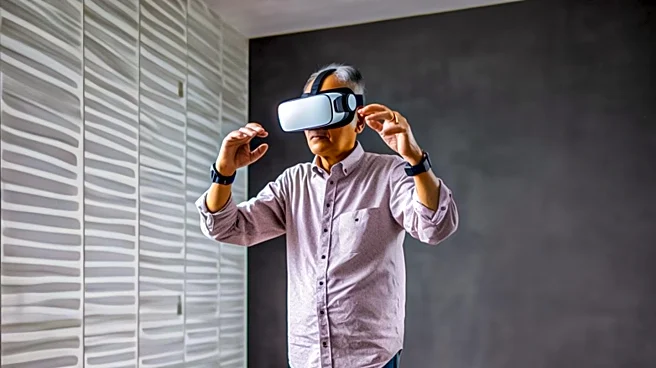
In Los Gatos, California, The Terraces retirement community is utilizing virtual reality (VR) technology to help its elderly residents, many in their 80s and 90s, engage in immersive experiences that foster
social connections and cognitive stimulation. The VR sessions, curated by Rendever, allow residents to virtually travel to various destinations, such as Europe or the ocean depths, and even revisit their childhood neighborhoods. This initiative is part of a broader effort to combat social isolation among seniors, with Rendever's technology being implemented in 800 retirement communities across the U.S. and Canada. The VR experiences have been shown to improve cognitive functions and enhance social interactions among participants, as they share these virtual adventures and continue conversations beyond the sessions.
Why It's Important?
The use of VR technology in senior living communities addresses the critical issue of social isolation, which can have detrimental effects on mental and physical health. By providing seniors with opportunities to engage in shared experiences, VR helps to build social bonds and improve overall well-being. This technology also offers a novel way to stimulate cognitive functions, potentially slowing the progression of conditions like dementia. The initiative highlights the willingness of older adults to embrace new technologies that add value to their lives, challenging stereotypes about their adaptability. Moreover, the intergenerational aspect of VR use can strengthen relationships between seniors and younger family members, fostering a sense of connection across age groups.
What's Next?
Rendever plans to expand its VR offerings with a recent $4.5 million grant from the National Institutes of Health, aimed at further reducing social isolation among seniors living at home and their caregivers. As the technology continues to gain traction, more retirement communities may adopt VR as a standard tool for enhancing resident engagement and well-being. The success of these programs could lead to broader applications of VR in healthcare settings, potentially influencing how care is delivered to the elderly population. Stakeholders, including healthcare providers and policymakers, may explore additional funding and support for similar initiatives to improve the quality of life for seniors.
Beyond the Headlines
The integration of VR in senior care raises important ethical and cultural considerations. While the technology offers significant benefits, it is crucial to ensure that it complements rather than replaces human interaction. Careful monitoring of screen time and the content of VR experiences is necessary to maximize positive outcomes. Additionally, the cultural relevance of VR content should be considered to ensure it resonates with diverse populations. As VR becomes more prevalent in elder care, ongoing research will be essential to understand its long-term effects and optimize its use in promoting mental health and social engagement.