





What's Happening?
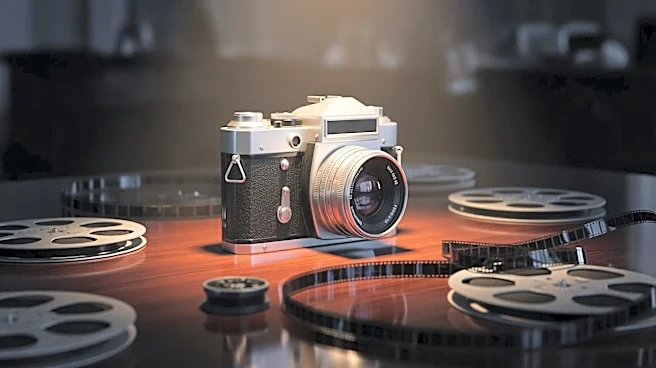
Olivia Wilde, known for her roles in 'House' and as the director of 'Booksmart', recently became the subject of viral social media attention following her appearance at the San Francisco International Film Festival. During a red carpet interview, images
of Wilde were captured using a fisheye lens, leading to unflattering comparisons to Gollum from 'The Lord of the Rings'. In response, Wilde humorously addressed the situation in an Instagram story, filmed by her brother, where she laughed off the comments and clarified that the lens was responsible for the distorted images. Wilde is currently promoting her new comedy film 'The Invite', which she directed and stars in alongside Seth Rogen, Penélope Cruz, and Edward Norton. The film is set to release in theaters on June 26.
Why It's Important?
The incident highlights the intense scrutiny public figures face regarding their appearances, especially in the age of social media where images can quickly go viral. Wilde's lighthearted response serves as a reminder of the pressures celebrities endure and the importance of maintaining a sense of humor in the face of criticism. This event also underscores the impact of social media on public perception and the potential for misrepresentation through media technology, such as camera lenses. For Wilde, the attention could inadvertently boost interest in her upcoming film, demonstrating how viral moments can influence public relations and marketing strategies in the entertainment industry.
What's Next?
As Wilde continues to promote 'The Invite', it is likely that she will face further media attention, both for her work and personal life. The film's release on June 26 will be a significant milestone, potentially affecting her career trajectory as a director. The public's reaction to the film, coupled with the recent viral incident, may influence future opportunities and projects for Wilde. Additionally, the entertainment industry may see increased discussions about the ethics of media representation and the role of technology in shaping public images.