
What's Happening?
The consumer price index (CPI) in the U.S. rose by 3.8% in April 2026, marking the highest inflation rate in nearly three years. This increase is largely attributed to the ongoing war with Iran, which
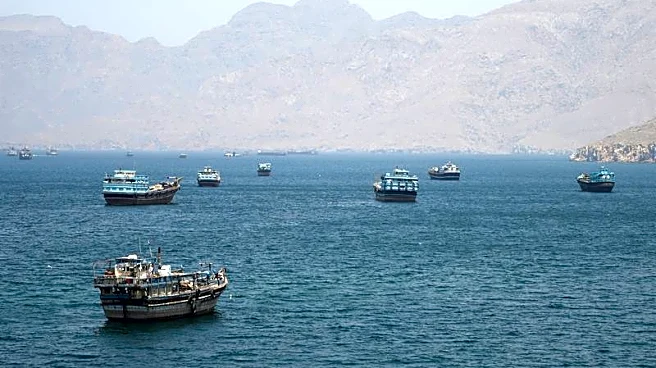
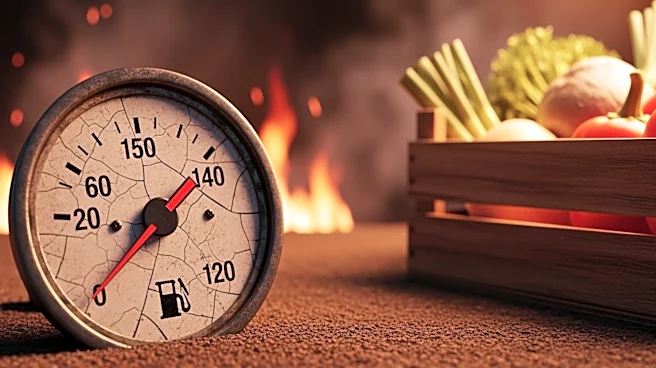
has caused a significant rise in oil prices. As a result, gasoline prices have surged by 50% since the conflict began, and food prices have also been affected, with beef prices increasing by 14.8% year-over-year. The conflict has disrupted oil supplies through the Strait of Hormuz, a critical passage for global oil transport, further exacerbating the situation.
Why It's Important?
The inflation spike poses a significant challenge for American consumers, who are facing higher costs for essential goods such as gasoline and food. The economic impact is widespread, affecting household budgets and increasing the cost of living. The situation highlights the vulnerability of global supply chains to geopolitical conflicts and underscores the need for strategic economic planning. Businesses and policymakers must address these challenges to prevent long-term economic repercussions.
What's Next?
Economists suggest that the inflationary pressures may take weeks or months to subside, depending on the resolution of the conflict with Iran. The Federal Reserve and other policymakers may need to consider measures to stabilize the economy and support affected industries. In the meantime, consumers and businesses will need to adapt to the higher costs, potentially leading to changes in spending and investment patterns.