
What's Happening?
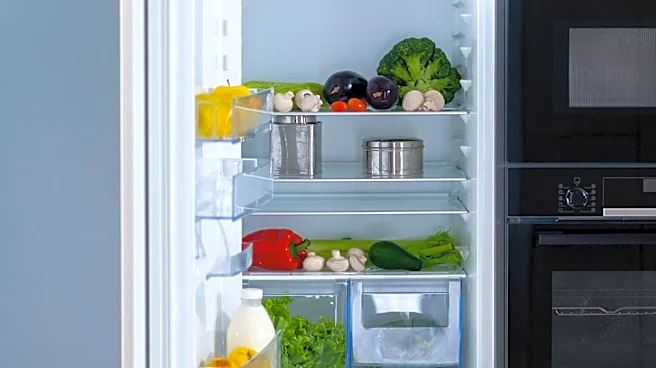
Refrigerators, a staple in most households, are often mismanaged, leading to increased energy consumption and faster food spoilage. According to Oded Ben Yakar, product manager at H.Y. Group, common mistakes
include improper temperature settings, frequent door openings, and overloading the appliance. These habits force the refrigerator to work harder, raising electricity bills and reducing the appliance's lifespan. Proper organization and maintenance, such as keeping the temperature between 1 to 4 degrees Celsius and ensuring the door seals are intact, can mitigate these issues. Additionally, using the FIFO (First In, First Out) method for food storage and cleaning the refrigerator regularly can prevent contamination and improve efficiency.
Why It's Important?
The mismanagement of refrigerators has broader implications for household energy consumption and food waste. As energy costs rise, inefficient refrigerator use can significantly impact household budgets. Moreover, food spoilage contributes to waste, which has environmental and economic repercussions. By adopting better management practices, households can reduce their carbon footprint and save money. This aligns with broader sustainability goals, as reducing energy consumption and waste are critical components of environmental conservation efforts. The emphasis on proper refrigerator use also highlights the importance of consumer education in achieving these goals.
What's Next?
Households are encouraged to adopt better refrigerator management practices to improve efficiency and reduce costs. This includes setting the correct temperature, organizing food properly, and maintaining the appliance regularly. Manufacturers may also play a role by designing refrigerators with features that promote energy efficiency and ease of use, such as alarms for open doors and advanced cooling technologies. As awareness grows, there may be increased demand for appliances that support sustainable living, potentially influencing market trends and consumer preferences.
Beyond the Headlines
The focus on refrigerator management reflects a broader trend towards sustainability in daily life. As consumers become more environmentally conscious, there is a growing interest in how everyday habits impact the environment. This shift could lead to more widespread adoption of sustainable practices across various aspects of daily living, from energy use to food consumption. Additionally, the integration of technology in household appliances may offer new opportunities for innovation in energy efficiency and sustainability.