





What's Happening?
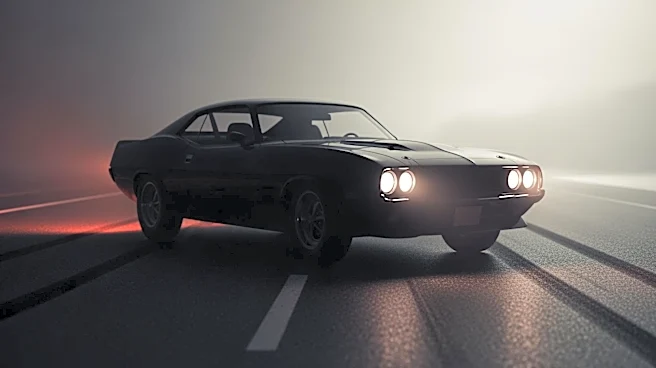
In 1970, Pontiac aired a Super Bowl commercial featuring the GTO with a special option known as the Vacuum Operated Exhaust (VOE), or 'The Humbler.' This option allowed the car's exhaust system to bypass the mufflers, creating a louder and more aggressive
sound. The commercial depicted a GTO driver activating this feature at a drive-in, drawing attention from onlookers. Despite the innovative appeal, the option was short-lived, with only 233 units sold. The ad was pulled shortly after airing due to concerns from General Motors (GM) executives about promoting illegal street racing, as the commercial's tone suggested such activities.
Why It's Important?
The swift cancellation of the VOE option highlights the tension between automotive innovation and corporate responsibility. While the feature was ahead of its time, similar to modern exhaust systems in sports cars, GM's decision reflects the company's cautious stance on legal and regulatory issues. This incident underscores the challenges automakers face in balancing product appeal with compliance and public perception. The decision to pull the ad and discontinue the option illustrates the influence of corporate governance and legal considerations on product offerings, impacting both consumer choice and brand image.
What's Next?
The discontinuation of 'The Humbler' option serves as a historical lesson for automakers in navigating the fine line between innovation and regulation. As car manufacturers continue to develop performance-enhancing features, they must remain vigilant about legal implications and public perception. Future advertising strategies may prioritize transparency and compliance to avoid similar controversies. Additionally, the automotive industry may see increased collaboration with regulatory bodies to ensure new technologies align with legal standards, fostering a more sustainable and responsible approach to innovation.
Beyond the Headlines
The Pontiac GTO's 'The Humbler' option and its subsequent cancellation reflect broader cultural and ethical considerations in the automotive industry. The ad's portrayal of aggressive driving behavior raises questions about the role of marketing in shaping consumer attitudes towards speed and safety. This case also highlights the potential for advertising to influence societal norms and the responsibility of companies to promote safe driving practices. As the industry evolves, there may be a greater emphasis on ethical advertising and the promotion of features that enhance safety and environmental sustainability.