




What's Happening?
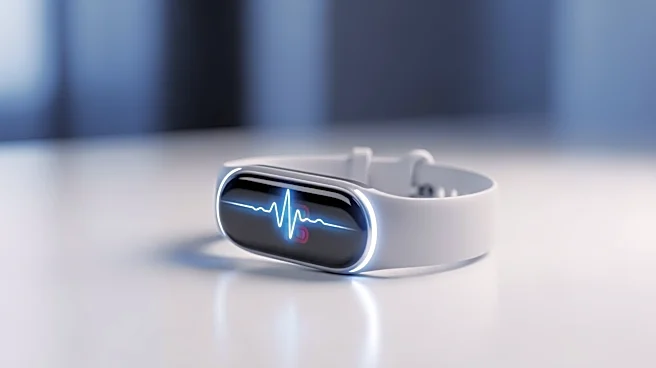
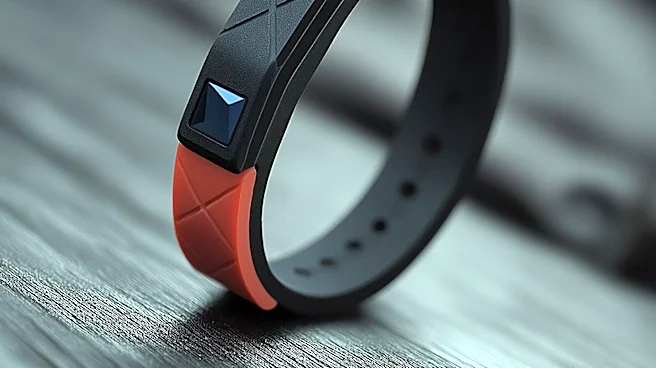
The Fitbit Air, a new health tracker, has been introduced with a minimalist design that omits the traditional screen found on most smartwatches. Priced at $100, the device focuses on essential health metrics, including steps, heart rate, blood oxygen,
and skin temperature, while excluding features like ECG. The tracker is designed to be unobtrusive, with a single LED for battery status and a vibration motor for alarms. It integrates with Google's AI-driven health platform, which provides users with a 'readiness score' and sleep phase analysis. The device's simplicity is highlighted by its lack of a speaker and limited on-device features, making it a discreet option for continuous wear.
Why It's Important?
The introduction of the Fitbit Air reflects a growing trend towards minimalist wearable technology that prioritizes essential health tracking over multifunctionality. This approach may appeal to consumers seeking a less intrusive way to monitor their health without the distractions of notifications and screens. The integration with Google's AI platform suggests a shift towards more personalized health insights, potentially enhancing user engagement and satisfaction. This development could influence the wearable tech market by encouraging other companies to explore similar minimalist designs, potentially reshaping consumer expectations and preferences.
What's Next?
As the Fitbit Air gains traction, it is likely that Google will continue to refine its AI health platform, potentially adding more personalized features and insights. The success of this device could prompt other tech companies to develop similar minimalist health trackers, leading to increased competition in the wearable market. Additionally, consumer feedback on the device's design and functionality may drive future iterations, possibly incorporating more advanced health metrics or improved battery life. The market's response to the Fitbit Air will be crucial in determining the future direction of wearable health technology.
Beyond the Headlines
The Fitbit Air's minimalist design raises questions about the balance between functionality and simplicity in wearable technology. By focusing on core health metrics and integrating AI-driven insights, the device challenges the notion that more features equate to better user experience. This could lead to a broader discussion about the role of technology in personal health management and the potential for AI to provide meaningful health insights without overwhelming users. The device's success may also influence how tech companies approach product design, emphasizing user comfort and ease of use over feature-rich offerings.