



What's Happening?
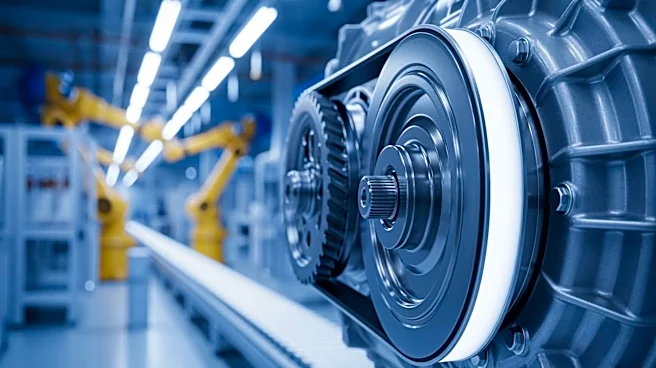
Subaru has been integrating continuously variable transmissions (CVTs) into its vehicle lineup, with the modern Lineartronic version debuting in the fifth-generation Legacy in 2010. This transition was driven by the benefits of improved fuel economy and
smoother acceleration. By 2014, nearly all automatic Subaru models featured CVTs, with the 2015 Outback being the first to offer it as the sole transmission option. The move to CVTs was also motivated by their lightweight and compact design, which reduces manufacturing costs. Despite initial reliability issues with early models, Subaru has made significant improvements, leading to better performance in newer models.
Why It's Important?
The shift to CVTs represents a significant change in Subaru's approach to vehicle design, emphasizing efficiency and cost-effectiveness. This transition has implications for the automotive industry, as it reflects a broader trend towards more fuel-efficient technologies. For consumers, the adoption of CVTs means potentially lower fuel costs and a smoother driving experience. However, the initial reliability issues highlight the challenges manufacturers face when implementing new technologies. Subaru's commitment to improving CVT reliability and offering extended warranties demonstrates its dedication to customer satisfaction and maintaining brand reputation.
What's Next?
As Subaru continues to refine its CVT technology, it is likely to further enhance the reliability and performance of its vehicles. The company may also expand the use of CVTs across more models, potentially influencing other automakers to adopt similar technologies. Consumer feedback and market trends will play a crucial role in shaping Subaru's future strategies. Additionally, advancements in CVT technology could lead to further innovations in automotive design, focusing on sustainability and efficiency.