


What's Happening?
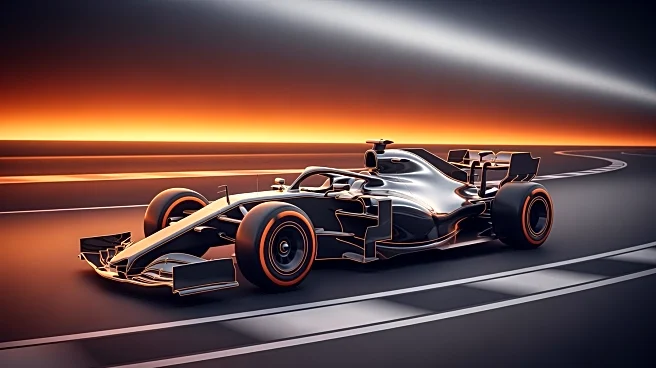
Lando Norris, the reigning Formula One world champion, is preparing to defend his title in the 2026 season. After securing McLaren's first drivers' championship in 17 years, Norris remains motivated to win again. He acknowledges George Russell, a fellow driver and friend, as a strong contender for the championship this year. Russell, driving for Mercedes, is considered the favorite by bookmakers. Norris and Russell, who both entered F1 in 2019, share mutual respect and have enjoyed competitive battles on the track. Norris is confident in McLaren's ability to produce a competitive car under the new regulations, despite the expected strong performances from other top teams like Mercedes, Red Bull, and Ferrari.
Why It's Important?
The 2026 F1 season marks a significant
shift with new chassis and power-unit regulations, potentially altering the competitive landscape. Norris's confidence in McLaren's capabilities highlights the team's strategic planning and development efforts. The rivalry between Norris and Russell adds intrigue to the season, as both drivers are seen as future stars of the sport. The performance of McLaren and Mercedes under the new rules will be closely watched, as it could influence team strategies and driver dynamics. The outcome of this season could impact sponsorships, team investments, and the overall popularity of F1, especially in the U.S. market where the sport is gaining traction.
What's Next?
As the season approaches, teams will continue to refine their cars and strategies. The first race in Australia will provide initial insights into how well teams have adapted to the new regulations. McLaren aims to maintain its competitive edge, while Mercedes seeks to capitalize on its strong preseason position. The development race throughout the season will be crucial, with teams introducing updates to improve performance. Fans and analysts will be keenly observing the Norris-Russell rivalry, as their performances could shape the narrative of the 2026 season. The broader implications for F1 include potential shifts in team hierarchies and the emergence of new competitive dynamics.