
What's Happening?
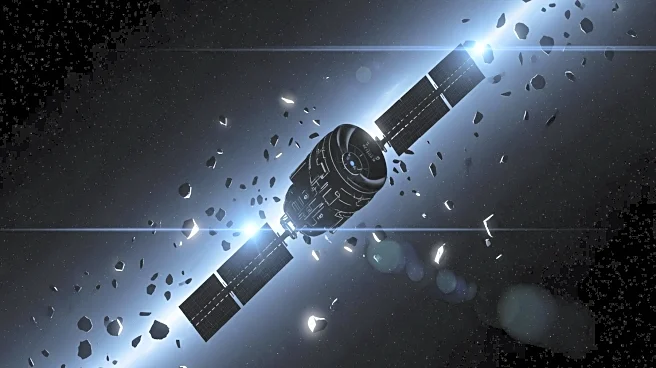
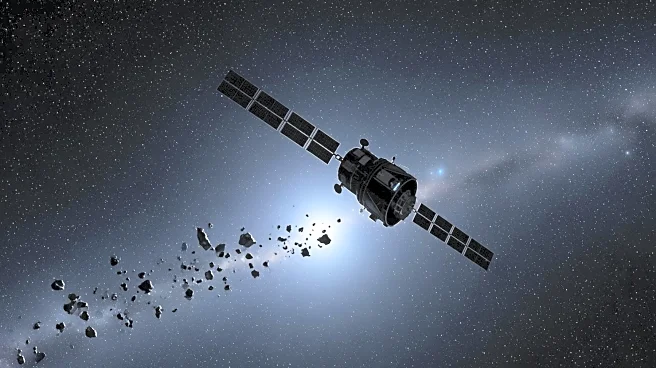
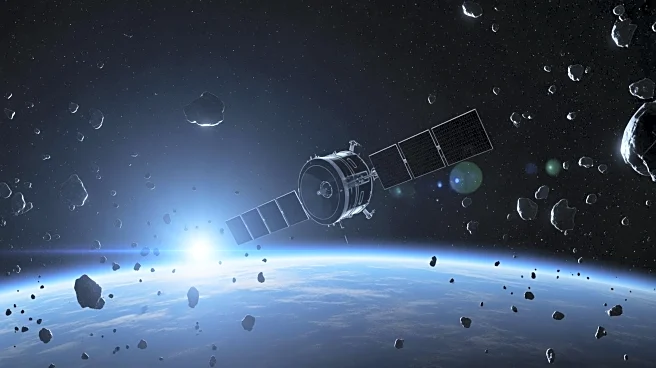
SpaceX's Starlink division has confirmed the loss of communication with one of its satellites, identified as Starlink 34343, which has broken apart into multiple fragments. The incident occurred at an altitude of approximately 560 km above Earth. LeoLabs,
a company that tracks objects in low Earth orbit, detected the creation of tens of fragments following the event. The breakup is believed to have been caused by an internal energetic source rather than a collision with space debris. SpaceX has stated that the event poses no new risk to the International Space Station or NASA's Artemis II mission. The company is actively working to determine the root cause and implement corrective actions.
Why It's Important?
The breakup of a Starlink satellite raises concerns about space debris and its potential impact on other space operations. As SpaceX continues to expand its Starlink constellation, ensuring the safety and reliability of its satellites is crucial to prevent collisions and maintain the integrity of space operations. The incident highlights the challenges of managing a large number of satellites in orbit and the importance of monitoring and mitigating space debris. The outcome of SpaceX's investigation could influence future satellite design and operational protocols, impacting the broader satellite industry and space exploration efforts.
What's Next?
SpaceX will continue to monitor the satellite fragments and coordinate with NASA and the US Space Force to ensure the safety of ongoing and future missions. The company is expected to conduct a thorough investigation to identify the cause of the anomaly and implement necessary changes to prevent similar incidents. The findings could lead to updates in satellite technology and operational procedures, potentially affecting the deployment and management of future Starlink satellites.