




What's Happening?
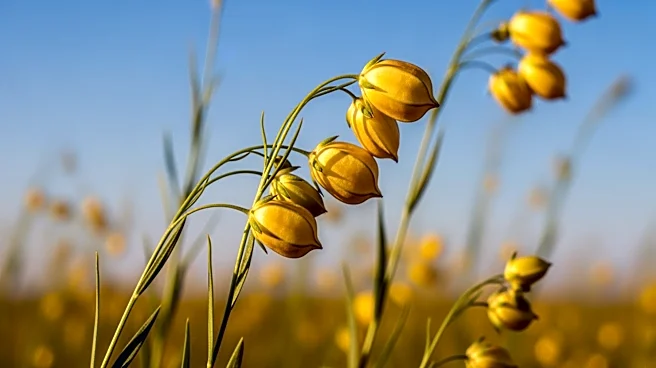
Camelina, a crop familiar to farmers in the Northern Plains, is gaining attention as a potential biofuel source. A collaboration between Bayer and BP aims to develop camelina as a viable oilseed market for biodiesel, renewable diesel, and sustainable
aviation fuel. This partnership highlights the crop's potential to diversify income for farmers while promoting sustainability. Camelina is already used as a cover crop to limit soil erosion and reduce weed pressure. The demand for biofuels is expected to grow, driven by larger equipment like planes and ships, which cannot easily transition to electric power.
Why It's Important?
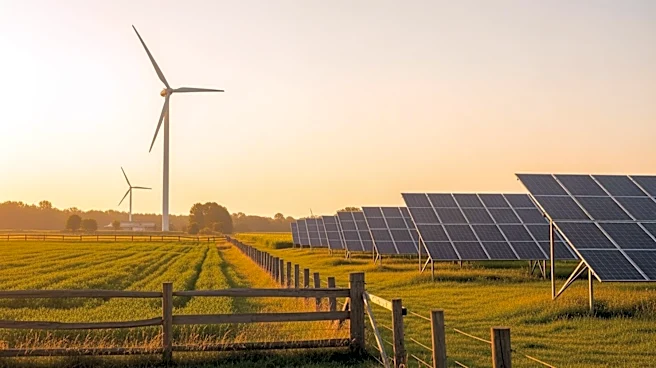
The development of camelina as a biofuel crop represents a significant opportunity for farmers in the Northern Plains to diversify their income sources and contribute to sustainable energy solutions. As the demand for biofuels increases, camelina could become a key player in the renewable energy sector. This shift could lead to economic benefits for farmers and support environmental goals by reducing carbon emissions. The collaboration between major companies like Bayer and BP underscores the strategic importance of developing alternative fuel sources to meet global energy needs.
What's Next?
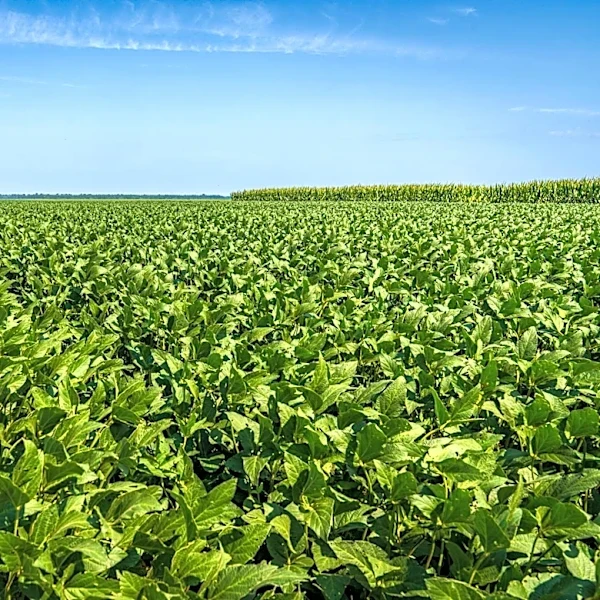
While commercial opportunities for camelina are currently limited, ongoing research and development efforts aim to enhance its viability as a biofuel crop. Farmers are encouraged to consider camelina as a cover crop, with potential benefits in crop rotation and early harvests. The success of camelina as a biofuel source will depend on market development and the ability to overcome challenges such as herbicide susceptibility and storage considerations. As research progresses, camelina could transition from a cover crop to a significant cash crop, opening new markets and income streams for farmers.