


What's Happening?
Tesla has initiated legal action against the California Department of Motor Vehicles (DMV) following the agency's decision to restrict the use of the term 'autopilot' in Tesla's advertising. The DMV had previously ruled that Tesla's marketing of its driver
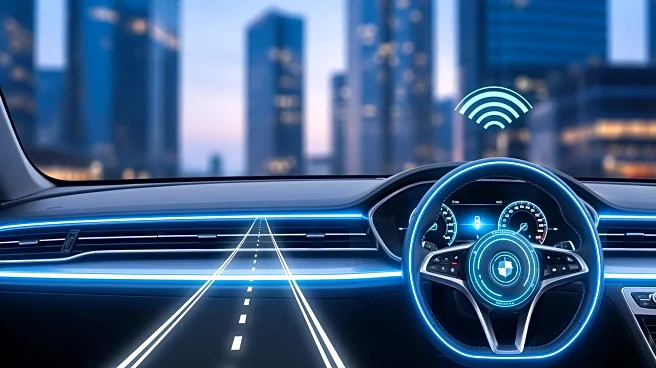
assistance systems as 'Autopilot' and 'Full Self-Driving Capability' was misleading, as these features do not meet the criteria for autonomous driving under the National Highway Traffic Safety Administration's (NHTSA) Levels of Automation. The NHTSA rates Tesla's systems as Level 2, which requires human oversight, whereas Level 5 represents full autonomy. The DMV's ruling, effective January 15, mandated Tesla to cease using the term 'autopilot' within 60 days or face a business suspension in California. Tesla argues that the DMV's decision was unfounded and claims that the agency failed to prove that consumers were misled. Despite agreeing to stop using the term, Tesla is now contesting the ruling in court.
Why It's Important?
This legal battle highlights the ongoing debate over the marketing and regulation of autonomous vehicle technologies. The outcome of this case could set a precedent for how such technologies are advertised and regulated across the United States. If Tesla succeeds, it may influence other automakers to adopt similar marketing strategies, potentially leading to broader regulatory challenges. Conversely, if the DMV's decision is upheld, it could prompt stricter advertising standards for driver assistance systems, impacting how companies communicate the capabilities of their technologies to consumers. This case underscores the tension between innovation in the automotive industry and consumer protection, as regulators strive to ensure that marketing claims do not compromise public safety.
What's Next?
The court's decision on this matter will be closely watched by both the automotive industry and regulatory bodies. Should Tesla prevail, it may embolden other companies to challenge similar restrictions, potentially leading to a reevaluation of advertising standards for autonomous technologies. On the other hand, if the DMV's ruling is upheld, it could lead to increased scrutiny of marketing practices in the industry. Stakeholders, including consumer advocacy groups and other automakers, are likely to weigh in on the implications of this case, which could influence future regulatory policies and industry practices.