



What's Happening?
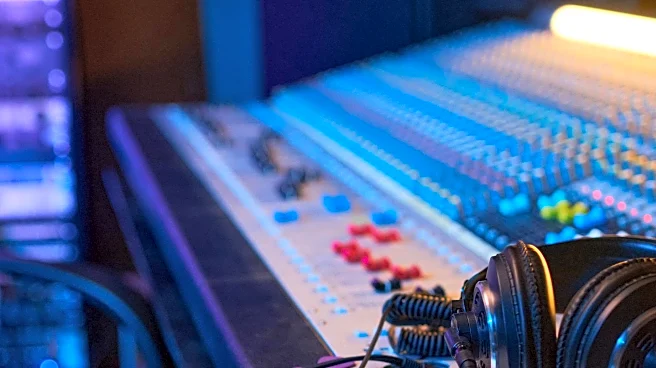
The editor of Stereophile magazine recently engaged in a 'critical listening session' with a friend named Bryan, focusing on the nuances of hi-fi audio systems. This session, held in the editor's Maine home, was prompted by Bryan's interest in improving his ability to assess hi-fi components. Despite Bryan's extensive experience as an audiophile, he sought to learn from the editor's expertise. The session involved comparing different audio tracks, particularly focusing on bass-heavy music, to evaluate the performance of a newly installed single-branded hi-fi system. The editor emphasized the importance of 'self-aware listening,' a practice of observing one's own responses to music to better understand the qualities of sound that are pleasing
or displeasing.
Why It's Important?
This exploration into self-aware listening highlights a deeper understanding of audio appreciation, which is significant for both audiophiles and the hi-fi industry. By focusing on the subjective experience of sound, the session underscores the importance of personal engagement in audio evaluation. This approach can influence how audio systems are marketed and developed, as manufacturers may consider the subjective experiences of listeners in their designs. For consumers, it emphasizes the value of personal preference and critical engagement with audio equipment, potentially impacting purchasing decisions and fostering a more informed consumer base.
What's Next?
The editor plans to write more about the newly installed hi-fi system in the future, suggesting ongoing evaluations and insights into audio system performance. This continued exploration may lead to further discussions within the audiophile community about the merits of different listening techniques and the subjective nature of audio appreciation. As the editor shares more findings, it could influence both consumer preferences and industry standards, encouraging a broader adoption of self-aware listening practices.
Beyond the Headlines
The concept of self-aware listening introduces a philosophical dimension to audio appreciation, where the act of listening becomes a reflective practice. This approach not only enhances personal enjoyment but also contributes to a deeper cultural appreciation of music and sound. It challenges the traditional focus on technical specifications, advocating for a more holistic understanding of audio experiences. This shift could lead to a reevaluation of how audio quality is defined and appreciated, potentially influencing both personal and professional practices in the audio industry.