






What's Happening?
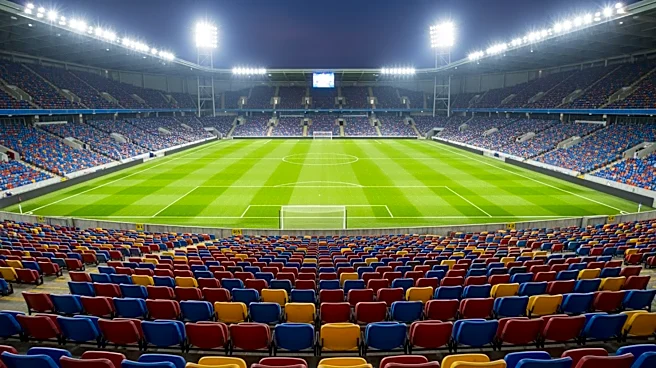
FIFA has come under scrutiny after images from the World Cup match between South Korea and the Czech Republic appeared to show numerous empty seats, despite the official attendance being reported as nearly full at 44,985. The match took place in Guadalajara,
and the discrepancy between the visual evidence and the reported figures led to questions about the accuracy of the attendance count. FIFA responded by stating that the official figures are based on 'verified operational data,' which includes all individuals present within the 'stadium footprint.' This means the count reflects the number of tickets scanned and spectators present, rather than a visual assessment of occupied seats. FIFA also noted that many ticketed fans were seen standing in concourses rather than sitting in their assigned seats, which could contribute to the appearance of empty seats.
Why It's Important?
The accuracy of attendance figures at major sporting events like the World Cup is crucial for maintaining transparency and trust among fans, sponsors, and stakeholders. Discrepancies between reported figures and visual evidence can lead to skepticism about the event's management and the integrity of the data provided by organizing bodies like FIFA. This issue is particularly significant as it can affect perceptions of the event's popularity and success, influencing future sponsorships, media coverage, and fan engagement. Ensuring accurate reporting is essential for the credibility of the World Cup and the reputation of FIFA as a governing body.
What's Next?
FIFA may need to address the concerns raised by this incident to prevent similar issues in future matches. This could involve reviewing and potentially revising the methods used to calculate and report attendance figures. Additionally, FIFA might consider implementing measures to ensure that fans are encouraged to remain in their seats, thereby providing a more accurate visual representation of attendance. Stakeholders, including sponsors and broadcasters, may seek reassurances about the accuracy of attendance data to protect their investments and interests in the tournament.