
What's Happening?
Douglas Stuart's latest novel, 'John of John,' delves into the intricate relationship between a father and son in the Outer Hebrides. The story follows 22-year-old John-Calum Macleod, known as Cal, as he returns
to his conservative community from Edinburgh. The novel explores themes of repression, self-denial, and the struggles of queer men in a tight-knit Free Presbyterian community. Cal's father, John, exerts a domineering influence over him, and their relationship is further complicated by John's secret romantic involvement with Innes MacInnes, a confirmed bachelor. The narrative is a modern take on the prodigal son parable, highlighting the loneliness and internal conflicts faced by its characters.
Why It's Important?
The novel sheds light on the challenges faced by LGBTQ+ individuals in conservative environments, particularly in rural settings. It addresses the broader societal issues of acceptance, identity, and the impact of religious and cultural norms on personal relationships. By exploring these themes, 'John of John' contributes to ongoing discussions about inclusivity and the need for understanding diverse identities. The book's portrayal of complex family dynamics and hidden relationships offers a poignant commentary on the struggles for acceptance and the consequences of societal pressures.
What's Next?
As 'John of John' gains readership, it may spark further conversations about the representation of LGBTQ+ narratives in literature. The novel's exploration of familial and societal expectations could lead to increased awareness and dialogue about the challenges faced by queer individuals in similar communities. Additionally, the book's success may encourage more authors to tackle complex social issues through fiction, potentially influencing future literary works and cultural discussions.
Beyond the Headlines
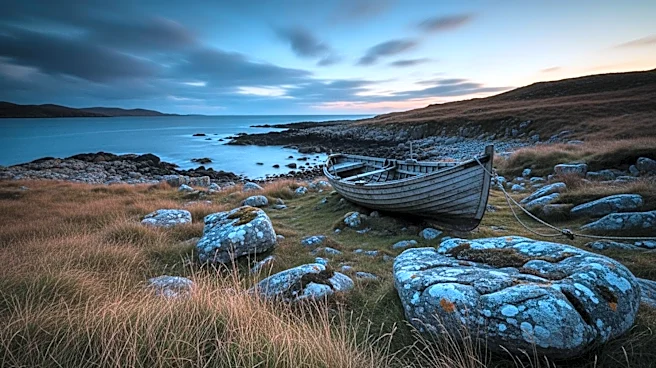
Beyond its immediate narrative, 'John of John' raises questions about the intersection of personal identity and community belonging. It highlights the tension between individual desires and collective expectations, offering a lens through which to examine broader cultural and ethical dilemmas. The novel's setting in the Hebrides also brings attention to the unique cultural and historical context of the region, enriching the story's exploration of identity and belonging.