

What's Happening?
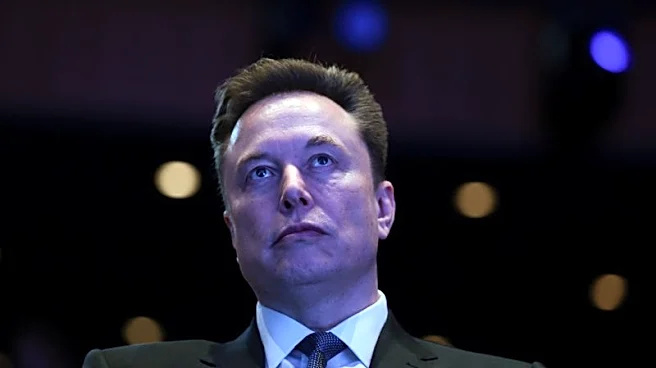
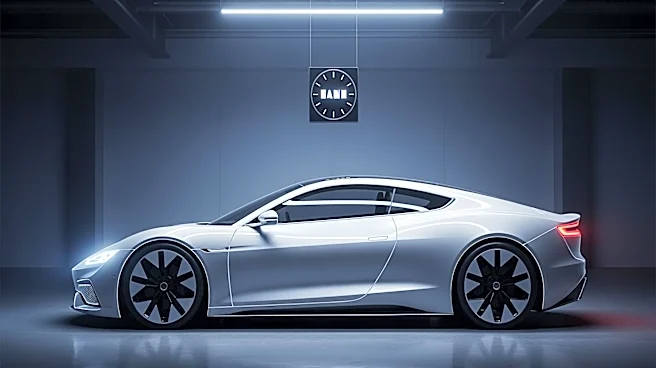
Elon Musk has once again delayed the launch of the Tesla Roadster, an electric sports car initially available for reservations in 2017. During Tesla's first-quarter earnings call, Musk suggested the Roadster might be unveiled in a month, citing extensive
testing and validation requirements. Despite the delays, Musk emphasized the Roadster's significance as the only human-driven car in Tesla's future lineup, although it is not expected to significantly impact revenue. The delay comes as Tesla focuses on AI and robotics, with plans for substantial investments in these areas.
Why It's Important?
The repeated delays of the Tesla Roadster highlight the challenges of balancing innovation with execution in the automotive industry. While the Roadster's launch is not critical to Tesla's financial performance, it reflects the company's broader strategic priorities. By focusing on AI and robotics, Tesla aims to lead in autonomous vehicle technology and manufacturing efficiency. This shift could redefine industry standards and influence market dynamics, but it also requires careful management of resources and investor expectations.
What's Next?
Tesla's focus on AI and robotics suggests a long-term strategy to revolutionize transportation and manufacturing. The company plans to expand its robotaxi operations and commence production of its humanoid robot, Optimus, by next year. These initiatives will be closely monitored by investors and industry stakeholders, as successful implementation could enhance Tesla's market position and influence industry trends. The potential public offering of SpaceX could further impact Tesla's financial strategy and market dynamics.