



What's Happening?
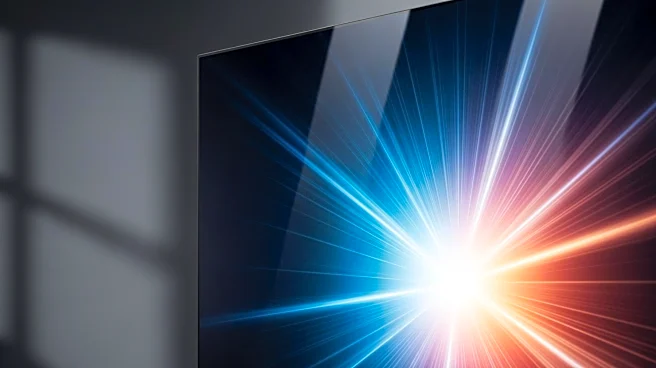
The television industry has been engaged in a 'brightness war' over the past few years, driven by the introduction of High Dynamic Range (HDR) technology, which requires higher brightness levels for optimal viewing. In 2025, this competition reached a new peak with the release of TVs capable of achieving unprecedented brightness levels. Brands like TCL and Hisense introduced 5,000-nit TVs, while LG Display advanced OLED technology with its Primary RGB Tandem panels, significantly enhancing light output and color purity. This development marks a significant shift from previous OLED designs, allowing for brighter and more vibrant displays. Additionally, new RGB mini-LED technology was showcased, promising even more vivid colors and brightness,
although these innovations come with high manufacturing costs.
Why It's Important?
The advancements in TV brightness and display technology have significant implications for the consumer electronics market. As manufacturers push the limits of brightness, consumers benefit from improved viewing experiences, particularly in environments with high ambient light. However, the race for higher brightness also raises questions about the necessity and potential drawbacks of such advancements. Excessive brightness can lead to discomfort in darker settings, similar to how the 'loudness war' in audio diminished sound quality. The focus may need to shift towards optimizing picture processing and black level performance rather than merely increasing brightness. This trend could influence future product development strategies and consumer preferences in the TV market.
What's Next?
As the industry continues to innovate, the next steps will likely involve refining these technologies to balance brightness with overall picture quality. Manufacturers may focus on improving processing capabilities to enhance the viewing experience without overwhelming viewers with excessive brightness. The introduction of RGB mini-LED technology, despite its current high cost, suggests a potential shift towards more advanced and efficient display solutions. Future developments may also include making these technologies more accessible to a broader audience, potentially leading to more competitive pricing and wider adoption.