
What's Happening?
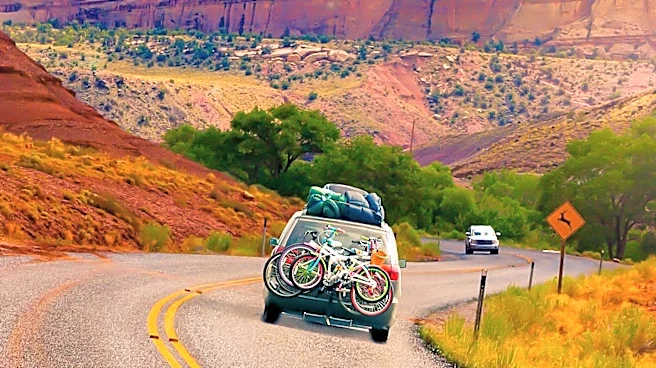
Arizona is experiencing a surge in tourism driven by the popularity of scenic road trips. Travelers are increasingly seeking flexible, experience-driven vacations that allow them to explore multiple destinations.
Key attractions such as the Grand Canyon, Monument Valley, and Sedona are becoming major stops for those exploring the Southwest by car. According to Motty Osher, CEO of Everyday.Vegas, travelers are looking for more than traditional vacation experiences, opting for scenic destinations and adventures that offer memorable experiences. The trend is supported by the growing visibility of these destinations through social media and travel-focused content.
Why It's Important?
The rise in scenic road trips is significant for Arizona's tourism industry, as it diversifies the state's appeal beyond major cities and traditional tourist spots. This trend supports local economies by drawing visitors to smaller towns and regional attractions, potentially boosting business for local vendors and service providers. The focus on experience-driven travel aligns with broader shifts in the travel industry towards personalized and flexible vacation models. As travelers prioritize unique experiences, Arizona's diverse landscapes and outdoor attractions position the state as a key player in the Southwest's tourism growth.
What's Next?
Tourism professionals expect the interest in scenic travel to continue expanding, with Arizona road trips and outdoor-focused vacations remaining central to Southwest tourism growth. As more travelers seek flexibility and exploration opportunities, the state may see increased investment in infrastructure to support road trip tourism. This could include enhancements to scenic routes, development of new attractions, and marketing efforts to highlight lesser-known destinations. Stakeholders in the tourism industry may also collaborate to create packages that combine entertainment, outdoor scenery, and national park visits.
Beyond the Headlines
The shift towards scenic road trips reflects broader cultural changes in travel preferences, emphasizing authenticity and connection with nature. This trend may influence how tourism is marketed, with a focus on storytelling and immersive experiences. Additionally, the environmental impact of increased road travel could prompt discussions on sustainable tourism practices, encouraging travelers to consider eco-friendly options and responsible exploration. As social media continues to play a role in destination visibility, the ethical implications of digital influence on travel choices may also be explored.