


What's Happening?
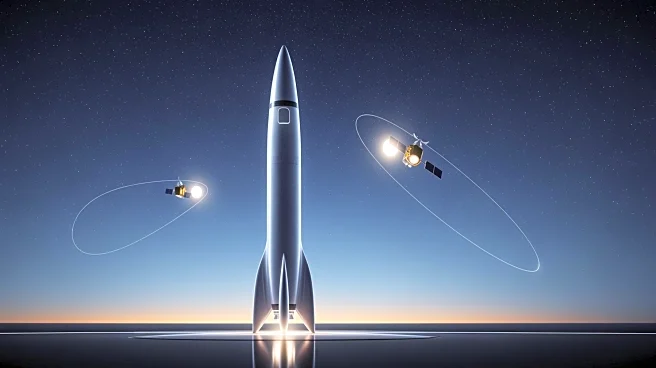
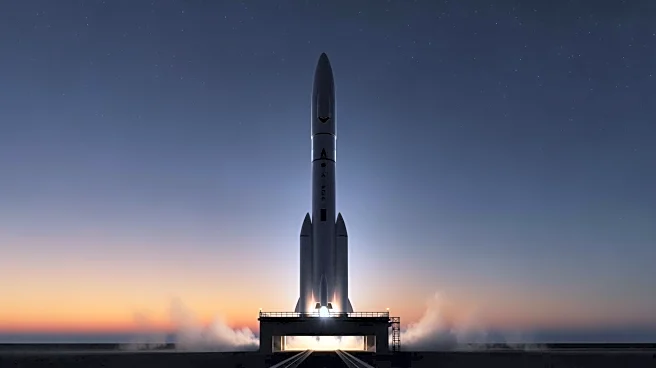
On February 21, 2026, SpaceX successfully launched two Falcon 9 rockets, marking a significant achievement in rocket reusability. One of these rockets completed its 33rd successful re-flight, underscoring SpaceX's commitment to reducing space exploration
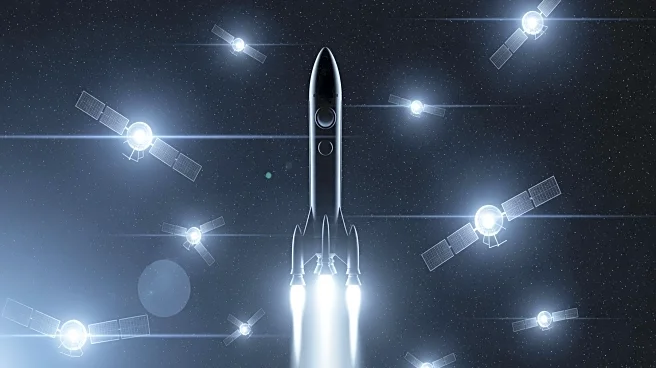
costs through reusable technology. The dual launches, conducted from California and Florida, added 53 new satellites to the Starlink constellation. This expansion is part of SpaceX's ambitious plan to provide global broadband internet coverage, particularly targeting underserved and remote areas. The Starlink project, which now boasts over 9,700 active satellites, aims to connect the world with high-speed, low-latency internet, overcoming the limitations of traditional ground-based infrastructure.
Why It's Important?
The achievement of the 33rd re-flight of a Falcon 9 rocket highlights SpaceX's leadership in reusable rocket technology, which significantly lowers the cost of space missions. This economic advantage could lead to more frequent and sustainable space launches, potentially revolutionizing the space industry. The expansion of the Starlink constellation is crucial for providing internet access to remote regions, which have historically been difficult to reach. This development not only enhances global connectivity but also positions SpaceX as a key player in the satellite internet market, potentially impacting telecommunications and internet service providers worldwide.
What's Next?
SpaceX is expected to continue refining its reusable rocket technology, aiming to further increase the lifespan and performance of its rockets. As the Starlink constellation grows, the company will likely focus on enhancing the network's coverage and reliability. The ongoing expansion of Starlink could prompt responses from competitors and regulatory bodies, particularly concerning space traffic management and the environmental impact of increased satellite launches. Additionally, SpaceX's advancements may influence future space policy and commercial space exploration strategies.
Beyond the Headlines
The environmental implications of reusable rockets are significant, as they help reduce space debris by allowing components to be reused rather than discarded. This approach contributes to the long-term sustainability of space operations, addressing a critical issue as satellite launches become more frequent. SpaceX's model of reusability sets a precedent for the aerospace industry, encouraging other companies to adopt similar practices to mitigate the environmental impact of space exploration.