








What's Happening?
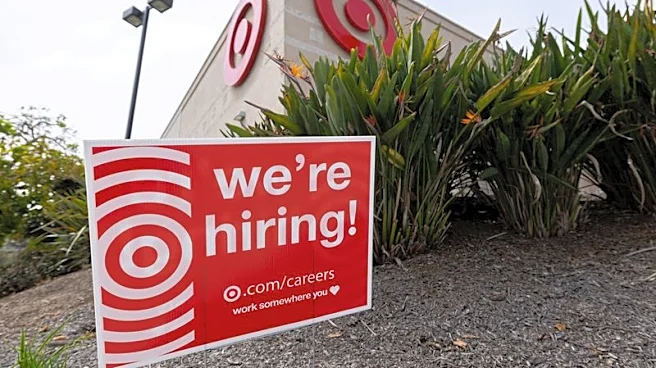
The U.S. economy added 172,000 jobs in May, significantly exceeding the anticipated range of 85,000 to 110,000 jobs, according to the Bureau of Labor Statistics. The unemployment rate remained steady at 4.3% for the third consecutive month. Despite this
positive job growth, wage increases are slowing, which is affecting the purchasing power of American homebuyers. Average hourly earnings rose by 0.3% in May, but year-over-year growth slowed to 3.4% from 3.6% in April. This wage growth is not keeping pace with the cost of living, as the Consumer Price Index (CPI) increased by 0.6% from April and 3.8% from the previous year. The housing market is experiencing a decline in median listing prices, which have fallen for seven consecutive months, with a 2.4% drop in May, marking the largest yearly decrease since 2017.
Why It's Important?
The robust job growth is a positive indicator for the U.S. economy, but the slowing wage growth and rising inflation present challenges for homebuyers. The disparity between earnings growth and inflation means that real wages are declining, which affects affordability in the housing market. Despite the drop in listing prices, housing remains expensive compared to pre-pandemic levels. The Federal Reserve may consider revising interest rates upward due to the improving labor market and persistent inflation, which could lead to higher mortgage rates. This situation creates uncertainty for potential homebuyers and could impact the broader economic landscape by influencing consumer spending and housing demand.
What's Next?
The Federal Reserve is likely to focus on inflation control, given the strong job market data. While the labor market's improvement is beneficial, it may prompt discussions about potential interest rate hikes in future meetings. Mortgage rates are expected to be more influenced by geopolitical factors, inflation expectations, and global uncertainties rather than job growth alone. The housing market may continue to face challenges as buyers and sellers adjust to the evolving economic conditions. Stakeholders in the real estate and financial sectors will closely monitor these developments to anticipate changes in market dynamics.