






What's Happening?
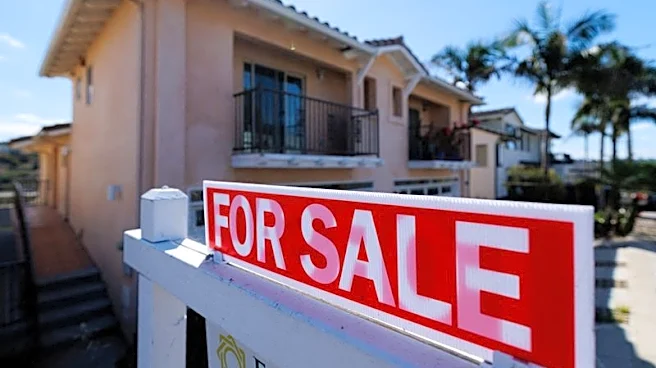
The U.S. housing market is experiencing a downturn as new home sales have decreased by 6.2% in April 2026, according to the Census Department's New Residential Sales report. The seasonally-adjusted annual rate of new single-family house sales fell to 622,000,
marking an 11.3% decline from the previous year. Concurrently, the inventory of new houses for sale rose to 489,000, representing a 9.4-month supply at the current sales rate. This increase in inventory is putting pressure on builders to lower prices, especially as mortgage rates rise, making it difficult for potential buyers to afford new homes. The median sales price of new houses increased to $422,500, an 8% rise from March 2026, indicating that builders are struggling to attract buyers despite the growing supply.
Why It's Important?
The decline in new home sales and the rising inventory levels are significant as they reflect broader economic challenges, including high mortgage rates and consumer credit stress. Builders are under pressure to sell homes in a market where potential buyers are deterred by increasing borrowing costs. This situation could lead to a slowdown in the construction industry, affecting jobs and economic growth. Additionally, the rising inventory and stagnant sales could lead to a decrease in home prices, impacting homeowners' equity and potentially leading to a broader economic downturn. The housing market is a critical component of the U.S. economy, and its struggles could have ripple effects across various sectors.
What's Next?
Builders may need to consider price reductions or incentives to attract buyers in a challenging market. As mortgage rates continue to rise, the pool of potential buyers may shrink further, exacerbating the pressure on builders. Policymakers and financial institutions might need to address the underlying issues of credit stress and affordability to stabilize the housing market. Additionally, if the trend of declining sales continues, it could prompt a reevaluation of interest rate policies by the Federal Reserve to stimulate demand.