
What's Happening?
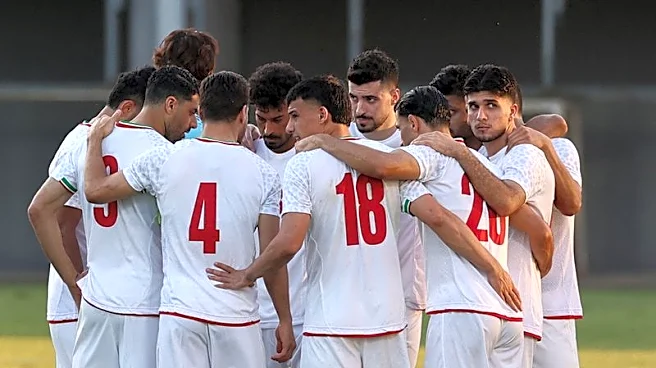
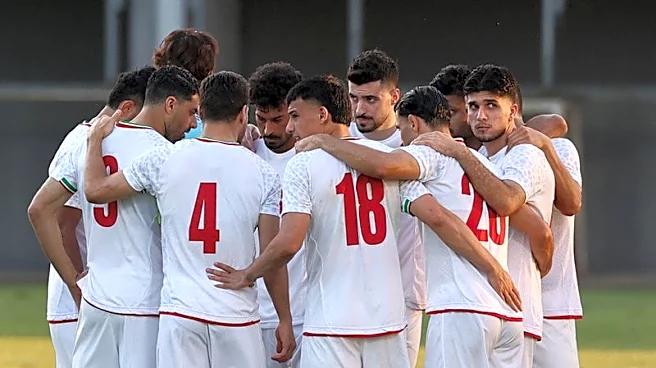
Iran's national soccer team has been granted visas to enter the United States for the 2026 FIFA World Cup, as confirmed by a White House official. This development comes just ten days before their first
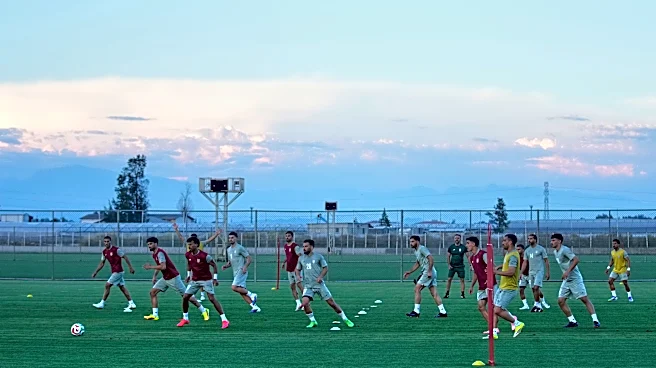
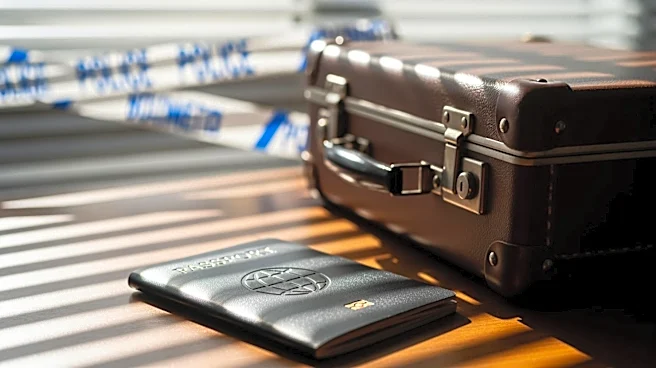
match in Los Angeles, amidst ongoing tensions between the US and Iran. The Iranian ambassador to Mexico, Abolfazl Pasandideh, initially reported that the team had not received their visas, but they were subsequently issued overnight. However, some members of the team's technical and administrative staff have yet to receive their visas, according to the semi-official Fars news agency. The US has imposed restrictions on the Iranian delegation, barring individuals linked to the Islamic Revolutionary Guards from entering the country. This includes Mehdi Taj, the president of Iran's soccer federation and a former commander in the Revolutionary Guards, who was denied entry for the tournament draw in Washington. The Iranian team has relocated their base from Arizona to Tijuana, Mexico, due to these visa issues.
Why It's Important?
The granting of visas to the Iranian soccer team is significant as it highlights the complex interplay between sports and international diplomacy. The World Cup, a major global sporting event, is being used as a platform for geopolitical maneuvering amidst the ongoing conflict between the US and Iran. The decision to allow the team entry into the US, despite the broader political tensions, underscores the potential for sports to act as a bridge in international relations. However, the restrictions on certain members of the Iranian delegation reflect the persistent security concerns and political considerations that continue to influence US-Iran relations. This situation also emphasizes the challenges faced by international sporting bodies in navigating political conflicts while organizing global events.
What's Next?
The Iranian soccer team is scheduled to play their first Group G match against New Zealand in Los Angeles on June 15, followed by matches against Belgium and Egypt. The team's presence in the US is likely to be closely monitored, given the geopolitical context. The US government's stance on individuals linked to the Islamic Revolutionary Guards may lead to further diplomatic discussions or tensions. Additionally, the team's relocation to Tijuana suggests a strategic move to minimize their time in the US, which could influence future interactions between the two countries. The outcome of the World Cup matches and the conduct of the Iranian delegation may also impact public perceptions and diplomatic relations.
Beyond the Headlines
The situation highlights the broader implications of using sports as a diplomatic tool. While the World Cup provides an opportunity for countries to engage in soft diplomacy, it also exposes the limitations and challenges of such efforts in the face of entrenched political conflicts. The exclusion of certain Iranian officials due to their military affiliations raises questions about the balance between security concerns and the spirit of international sportsmanship. This event may prompt discussions on how international sporting events can be leveraged to foster dialogue and peace, while also addressing legitimate security concerns.