








What's Happening?
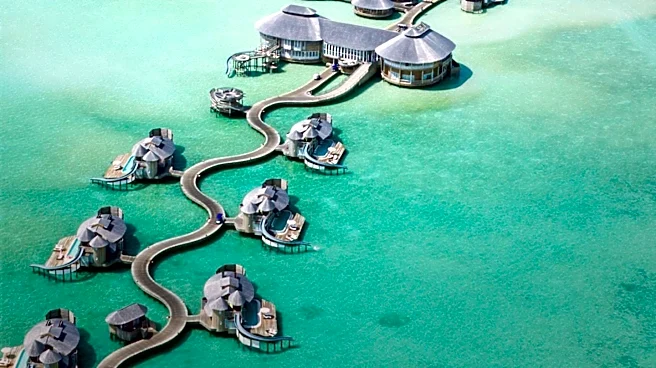
Tripadvisor has released its 'World's Top 10 Hotels of 2026' list, highlighting the best accommodations globally. The G.H. Universal Hotel in Bandung, Indonesia, topped the list, praised for its majestic design and luxurious amenities. The only U.S. hotel
to make the top five is the FivePine Lodge and Spa in Sisters, Oregon, which offers a tranquil retreat with outdoor activities like mountain biking and hiking. The list reflects a growing interest in unique and luxurious travel experiences, with many top-ranked hotels located outside the U.S. Despite the high cost of living, some U.S. residents are finding creative ways to afford travel, such as selling personal items online.
Why It's Important?
The ranking underscores the competitive nature of the global hospitality industry, where hotels strive to offer unique and luxurious experiences to attract travelers. The inclusion of only one U.S. hotel in the top five highlights the challenges American hotels face in competing with international destinations that offer exotic and culturally rich experiences. This trend may encourage U.S. hotels to innovate and enhance their offerings to attract both domestic and international travelers. Additionally, the financial strategies some Americans are employing to afford travel reflect broader economic pressures and the high value placed on leisure and travel experiences.
What's Next?
As the hospitality industry continues to evolve, hotels may increasingly focus on providing personalized and immersive experiences to stand out in a crowded market. This could involve integrating local culture and traditions into their offerings or investing in sustainable practices to appeal to environmentally conscious travelers. For U.S. hotels, there may be a push to diversify their appeal by highlighting unique regional attractions and experiences. The industry may also see increased collaboration with travel influencers and digital platforms to reach a broader audience.
Beyond the Headlines
The emphasis on luxury and unique experiences in the hospitality industry raises questions about accessibility and inclusivity. As high-end travel becomes more desirable, there is a risk of excluding those who cannot afford such experiences. This could lead to discussions about how to make travel more accessible to a wider audience. Additionally, the environmental impact of luxury travel, particularly in remote or pristine locations, will need to be addressed to ensure sustainable tourism practices.