







What's Happening?
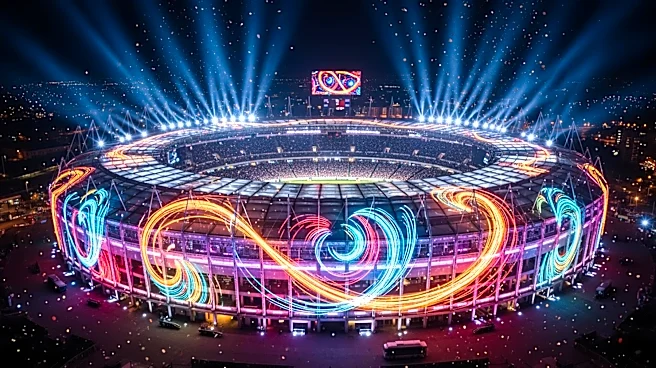
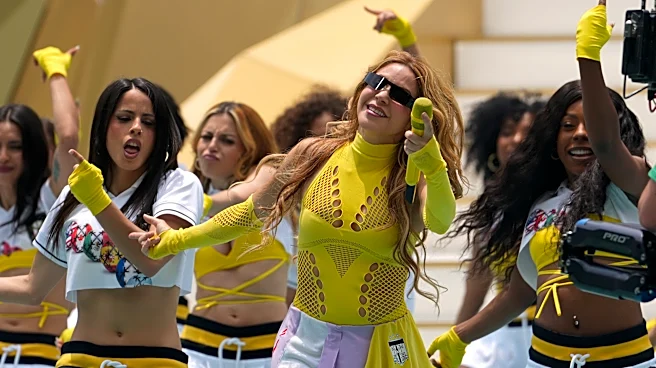
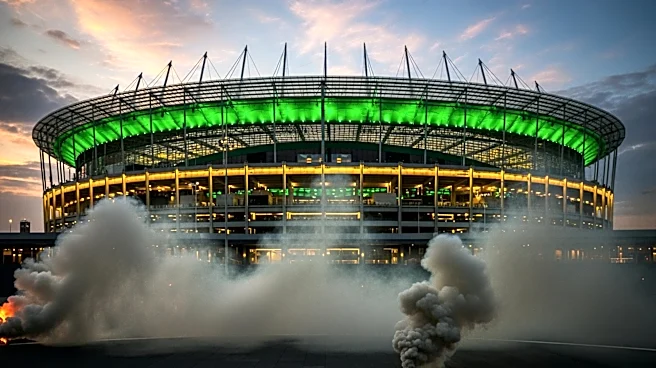
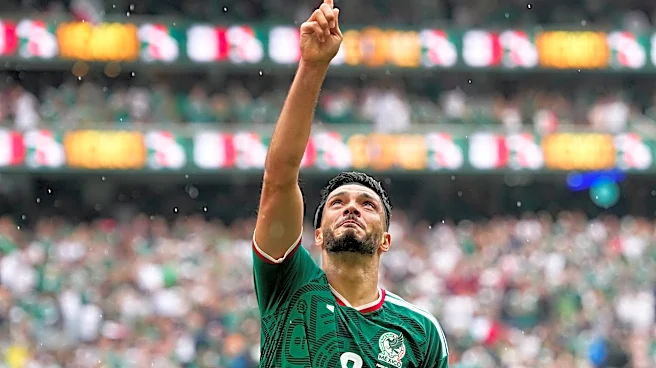
The 2026 World Cup kicked off in Mexico City with a grand opening ceremony at the Azteca Stadium, featuring performances by Shakira, Burna Boy, and J Balvin. The event marked the beginning of the expanded 48-team tournament, co-hosted by Mexico, the United
States, and Canada. The Azteca Stadium, now renamed Mexico City Stadium, became the first venue to host the World Cup opener three times. Despite the festive atmosphere inside the stadium, protests erupted outside, with demonstrators criticizing the high costs of hosting the event and the impact on local communities.
Why It's Important?
The opening of the 2026 World Cup in Mexico City is a significant event in the world of sports, highlighting the global appeal and cultural impact of football. The tournament is expected to bring economic benefits to the host countries through tourism and international exposure. However, the protests underscore the ongoing debate about the social and economic costs of hosting large-scale sporting events. The concerns raised by protesters about community disruption and financial burdens reflect broader issues that often accompany such global events.
What's Next?
As the World Cup progresses, attention will focus on the performance of the teams and the logistical challenges of hosting matches across three countries. The organizers will need to address the concerns raised by protesters and ensure that the event runs smoothly. The tournament will also provide an opportunity for the host countries to showcase their cultural diversity and hospitality to a global audience.