






What's Happening?
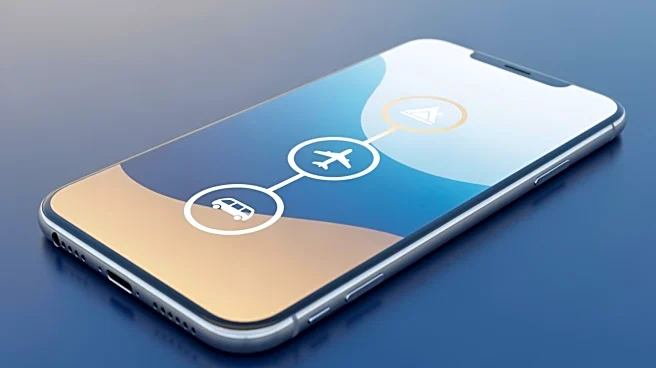
Uber has announced a new feature in its app that allows users to book hotels directly, thanks to a partnership with Expedia Group. This development is part of Uber's strategy to transform its app into a comprehensive travel platform, offering services
beyond its traditional ride-hailing and food delivery. The integration provides access to over 700,000 hotels worldwide, enhancing the app's utility for travelers. The announcement was made at Uber's Go-Get event, where the company also highlighted the use of agentic AI tools to expedite the development of new features. This AI-driven approach has reportedly reduced the time required to launch major features, such as hotel booking, from a year to approximately six months. In addition to hotel bookings, Uber is expanding its travel-related offerings with features like destination guides, room-service-style delivery hubs, and food and drink preorders for Uber Black rides. Future integrations with platforms like Vrbo and OpenTable are also planned, indicating Uber's intent to capture more aspects of the travel experience.
Why It's Important?
This move by Uber signifies a significant shift in its business model, aiming to become an 'everything app' for travel. By integrating hotel bookings and other travel services, Uber is positioning itself as a one-stop-shop for travelers, potentially increasing user engagement and loyalty. The partnership with Expedia not only broadens Uber's service offerings but also enhances its competitive edge against other travel and hospitality platforms. This expansion could lead to increased revenue streams and a stronger market presence. For consumers, the convenience of booking hotels and accessing travel-related services through a single app could simplify travel planning and execution. Additionally, the use of AI to accelerate feature development highlights Uber's commitment to innovation and efficiency, potentially setting a new standard in the tech and travel industries.
What's Next?
Uber's strategic expansion into the travel sector suggests further developments and integrations in the future. The company plans to incorporate additional services like Vrbo and OpenTable, which could further enhance the app's appeal to travelers. As Uber continues to build its travel platform, it may face competition from established travel and hospitality companies, prompting potential collaborations or competitive strategies. Stakeholders, including investors and consumers, will likely monitor how these new features impact Uber's market position and financial performance. The success of this initiative could influence other tech companies to explore similar expansions, potentially reshaping the landscape of travel and hospitality services.